Agriculture is a major source of livelihood for more than half of India’s population. Farming in India is mainly divided into food, cash, plantation, and horticulture crops. Cash crops are mainly grown for commercial purposes and are sold abroad for profit. India is one of the top producers of cash crops like sugarcane, cotton, jute, tobacco, etc., in the world. Cash crops are an essential source of income for Indian farmers, and it helps improve living standards of farmers. In this blog, you will learn about major types of cash crops, their benefits, risks, and more.
Table of Contents
- What are Cash Crops?
- Major Types of Cash Crops in India
- What are the Benefits of Cash Crops in India?
- Risk Factors of Growing Cash Crops
- Conclusion
What are Cash Crops?
Cash crops are also known as commercial crops, and they are grown primarily for sale in national or international markets. These crops can be consumed directly, or they are used as raw materials. Cotton, jute, sugarcane, tobacco, etc., are some of the top examples of cash crops. The price of cash crops is mostly dependent on the supply and demand of the crops, and this helps farmers create more revenue.
Major Types of Cash Crops in India
Top 4 major types of cash crops grown in India are Cotton, Jute, Sugarcane, Tobacco, and Oilseeds. Below we have discussed those cash crops one by one:
Cotton
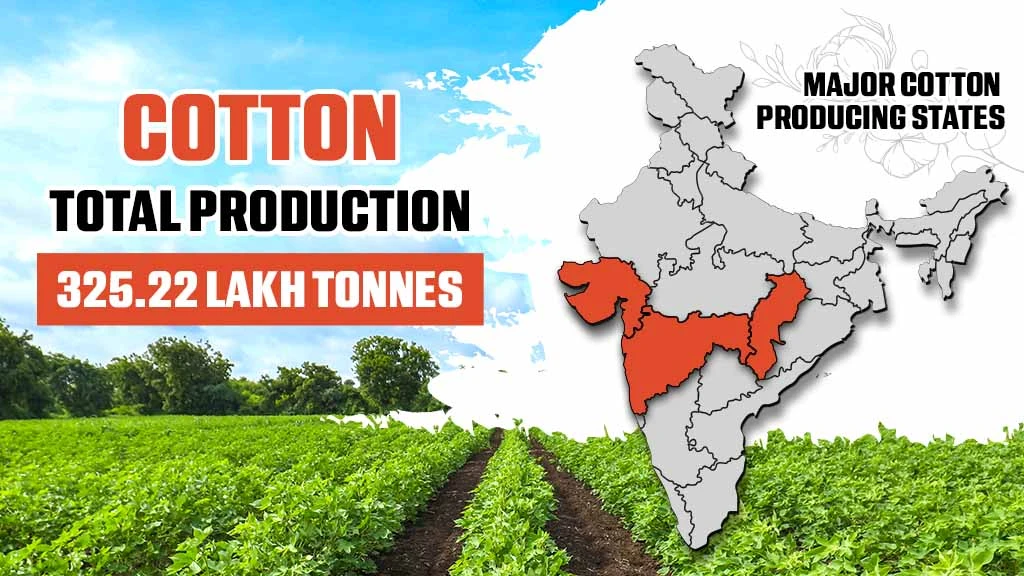
Cotton is one of the oldest cash crops in India, and our country is the second-largest producer of cotton globally after China. Cotton is a bushy plant with balls carrying seeds with several long, hairy fibers. It is widely used in the global textile industry. Generally, three types of cotton are cultivated in India, which include long-staple, medium-staple, and short-staple cotton. Gujarat, Maharashtra, and Telangana are the major cotton-producing states in India.
Jute
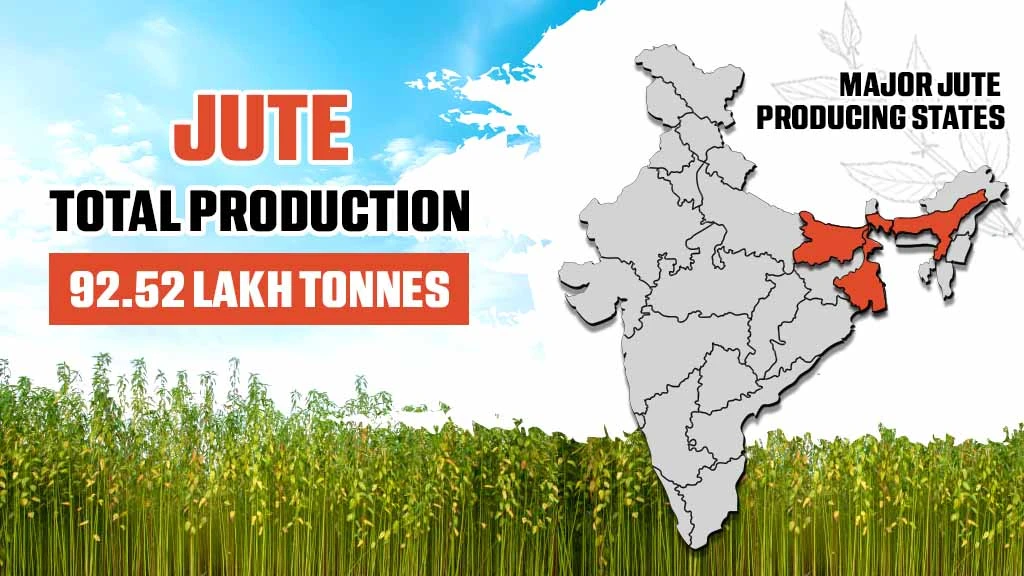
Jute is another important cash crop widely known as "golden fibre." It is a kharif crop, and it requires heavy rainfall for growth. Jute provides the fibers used in bags, textiles, household items, and biodegradable packaging. India is first among the largest jute-producing countries in the world, and the jute industry is 150 years old in India. The major Jute producing states in India are West Bengal, Assam, and Bihar, which contribute to more than 95 per cent of the total production in the country.
Sugarcane
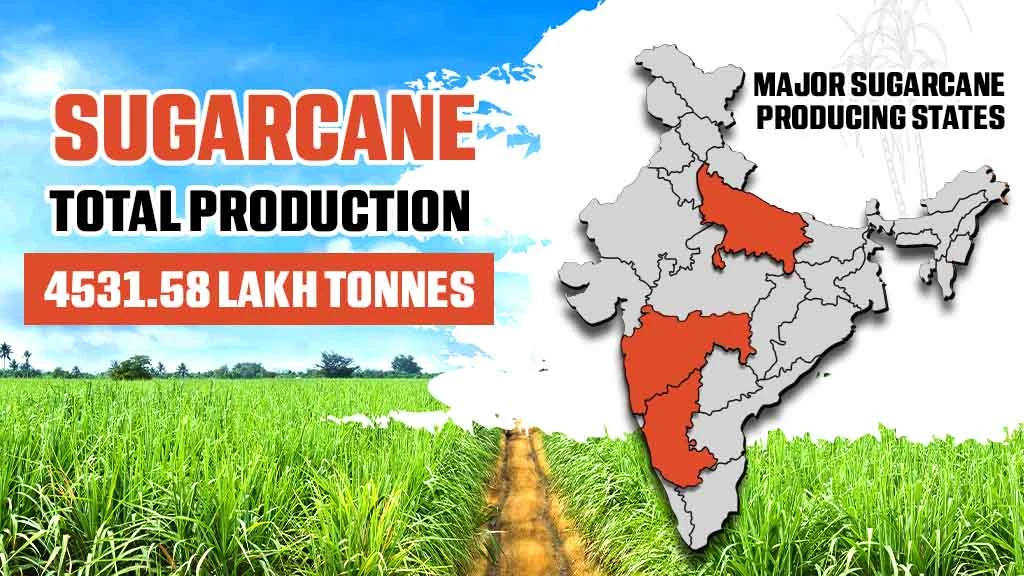
Sugarcane is widely used as a raw material in the sugar industry. It belongs to the grass family, Poaceae, mainly grown for its juice, which is used to make sugar. The crushed fiber left after extracting the juice is called bagasse. Bagasse is used to make paper and fiberboards. India is the world's largest producer of this Kharif crop, and Uttar Pradesh is the leading sugarcane-producing state, followed by Maharashtra and Karnataka.
Tobacco
India comes at second place for tobacco production and export. India has about 10% of the total area under tobacco cultivation. Different types of tobacco grown in our country include Viginia tobacco, Burley tobacco, Bidi tobacco, Country tobacco, Chewing tobacco, etc. The major tobacco production states are Gujarat, Andhra Pradesh, Uttar Pradesh, Karnataka, etc.
What are the Benefits of Cash Crops in India?
In India, the cultivation of cash crops like cotton, sugarcane, jute, etc., significantly boosts the rural economy. These high-value crops drive India's agricultural GDP and increase export earnings. Here are some of the top benefits of cash crops:
- Cash crops provide good income and profits to farmers, helping them raise their living standards.
- Cash crops create substantial revenue through exports, contributing to the country's economy.
- The cash crops produced in India are in high demand in the international market, resulting in better trade relationships and economic diplomacy worldwide.
- Cash crop farming helps farmers diversify their income source and reduces dependency on traditional crop farming.
- Cash crop farming also leads to industrial growth as various industries, such as textiles, sugar, etc., rely on cash crops for raw materials.
Risk Factors of Growing Cash Crops
The cultivation of cash crops involves certain risks. The risk factor could be related to crop type, climate, location, agricultural practices, and market conditions. Some major risk factors are discussed below:
Market Price Fluctuation: Cash crops are price sensitive, and their prices depend on various factors, such as weather conditions, global supply and demand, etc. Thus, there is a risk factor of not getting the expected return if the price drops significantly.
Input Cost Instability: It includes various expenses such as seeds, pesticides, fertilizers, machinery, etc. Thus, any fluctuation in the input cost can affect the farmer's profitability.
Decreased Soil Quality: Without proper soil management, soil can degrade. Thus, maintaining soil nutrients and investing in soil conservation are important to overcome this issue.
Dependency on Single Crop: Cultivation of a single cash crop at a large scale can enhance the risk of crop failure. Thus, using crop rotation techniques or diversifying crops can help sort out this issue.
Limited Market Access: Farmers may face this risk because of the lack of infrastructure for transportation and storage of cash crops in rural areas. Thus, it can restrict their capability to sell their crops at a profitable rate.
Risk of Government Policies & Regulations: Many government policies, trade agreements, and regulations are made for the cash crop market, and changes regarding tariffs, subsidies, or environmental regulations in these policies can impact farmers' profitability.
Conclusion
Cash crop farming in India is an important part of farmers' livelihood and country’s economy. Rural development, export earnings, and agricultural growth are majorly affected by cash crops. However, maintaining a balance between the cultivation of cash crops and sustainable agriculture is important to support environmental sustainability.
Frequently Asked Questions On Cash Crops in India
1. What are cash crops?
Cash crops are grown for the purpose of selling in national and international markets to earn a profit.
2. Is sugarcane a cash crop?
Yes, sugarcane is one of the most important cash crops in India.
3. What are examples of cash crops?
Cotton, Jute, sugarcane, etc., are examples of cash crops.
4. What is the difference between cash crop farming and subsistence farming?
The major difference between food crop and cash crop farming is that cash crops are grown for selling purposes to earn profits, whereas subsistence crops are grown to feed the farmer’s family.
5. Why is jute crop known as golden fibers?
Jute crops are known as golden fibers due to their shiny, golden color and their high economic value as a cash crop.






Related Blogs