Top Oxygen Producing Trees: Nature’s Silent Lifelines


The importance of trees is something that can never be in doubt. It is very evident to all of us that we are here, living happily and planning our days, our goals, and our lives only because we exist, and our existence depends on trees for oxygen, which itself says a lot about their importance. In this blog, we will mainly understand the trees that hold the utmost significance when it comes to oxygen production.
Table of Contents
What are the Top Oxygen Producing Trees in India?
The list is long when it comes to the core idea, the production of oxygen. However, it is limited when we focus on identifying the top trees, as only a few are known to produce more oxygen than the rest. Let us briefly explore each of them below.
Peepal (Sacred Fig)
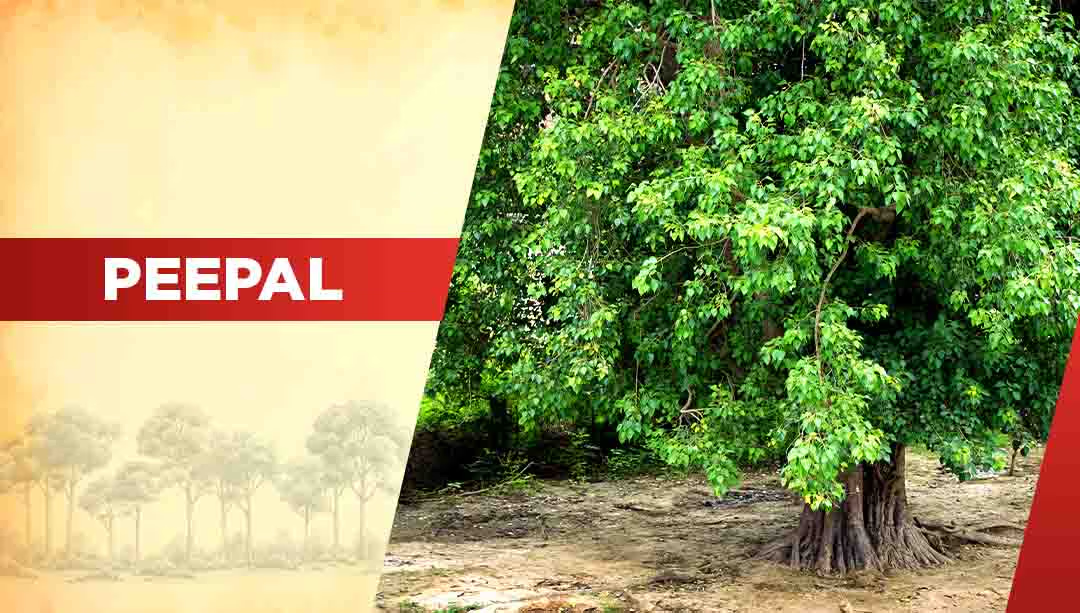
Let’s start with the most common tree known to all of us, which is, of course, the peepal tree. From temples to walks in a park, we must have observed this large tree known as the peepal. It is associated with many interesting facts, but one of its most important aspects is that it can produce oxygen round the clock, which cannot be done by every other tree. This small fact makes this tree one of the most valuable.
|
Names |
Details |
|
Scientific Name |
Ficus religiosa. |
|
Common Names |
Peepal, Sacred Fig. |
Banyan Tree
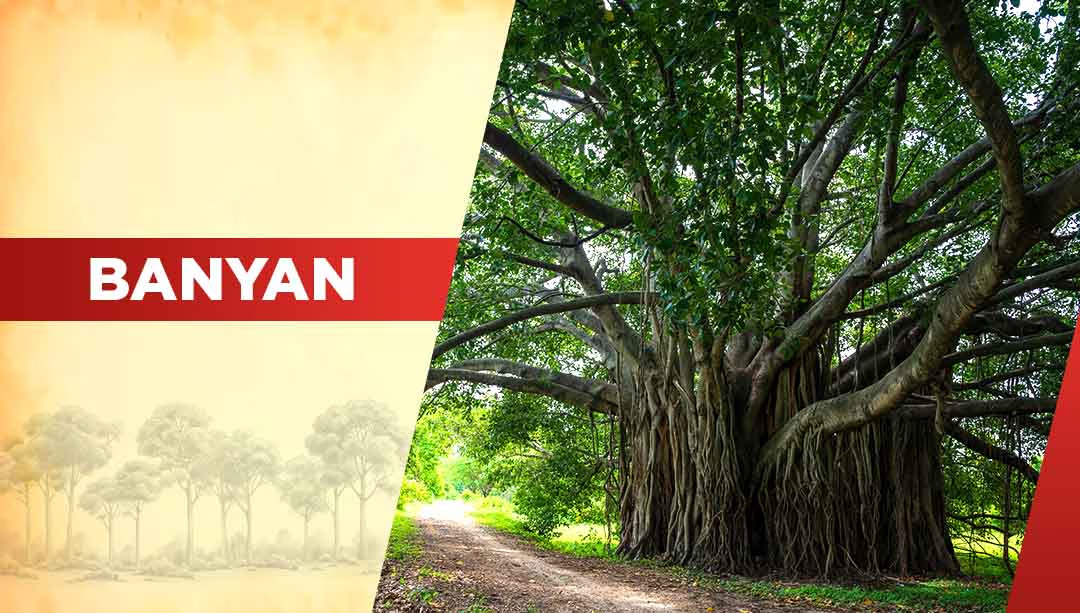
Moving ahead, second on the list we have is the banyan tree, again a familiar one to all of us. This tree is known as India’s national tree and is one of the largest oxygen producers in the world. There is something interesting about this tree, which is its ability to send down aerial roots from its branches that touch the ground and become new trunks, allowing it to keep expanding. This is not a common property found in other trees. It has a huge leaf area that helps it in producing more oxygen. There is one prime example of this tree. You might have heard of the Great Banyan Tree of Kolkata, which spreads across 1.5 hectares and is one of the largest trees in the world based on canopy size.
|
Names |
Detail |
|
Scientific Name |
Ficus benghalensis |
|
Common Name |
Banyan, Bargad, Vat |
Neem
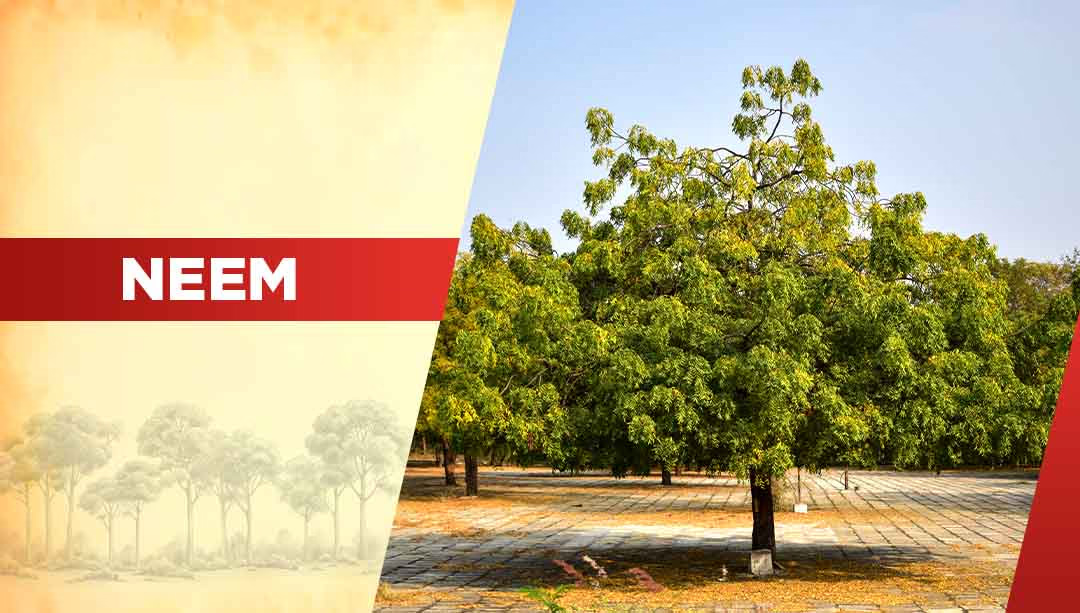
Walk through any Indian village and you will almost certainly find a Neem tree standing somewhere nearby. For centuries, Indians have used its leaves, bark, and seeds for medicine, but the Neem quietly does something else too. It grows fast, spreads wide, and pumps oxygen at an impressive rate while simultaneously absorbing pollutants from the surrounding air. Cities across India now actively plant Neem along roadsides precisely because it thrives in heat, survives drought, and keeps giving back to the environment year after year.
|
Names |
Details |
|
Scientific Name |
Azadirachta Indica. |
|
Common Names |
Neem, Indian Lilac |
Arjuna
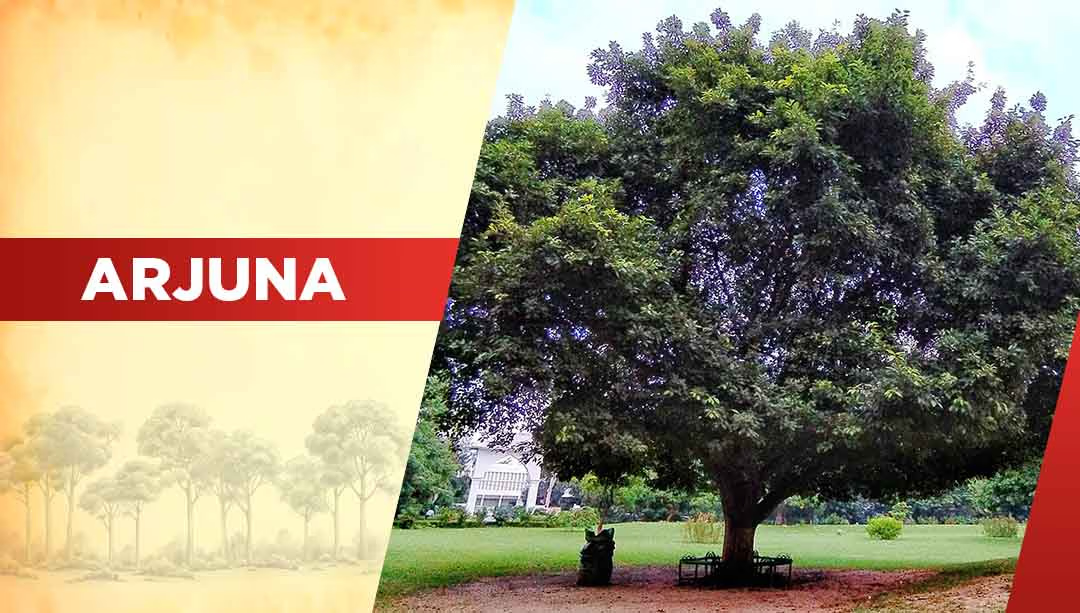
Growing up to 25 metres tall along the banks of India's rivers, it builds a broad, spreading crown over decades that supports continuous, high-rate photosynthesis. Ayurvedic practitioners have long valued its bark for treating heart conditions, but ecologically its contribution is equally significant anchoring riverbank soil, sheltering wildlife, and releasing oxygen steadily into the surrounding air season after season.
|
Names |
Details |
|
Scientific Name |
Terminalia arjuna |
|
Common Names |
Arjuna, Arjun Tree |
Ashoka
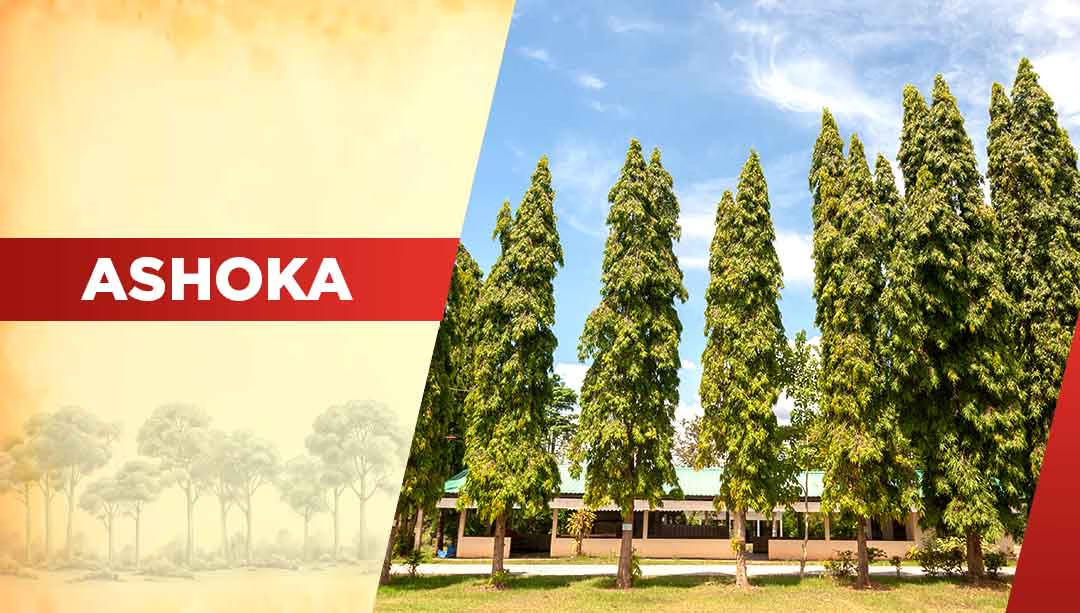
Most trees take a break. In winter, they shed leaves, slow down, and reduce their oxygen output considerably. Ashoka does not. This evergreen tree maintains its dense, drooping clusters of leaves throughout the year, meaning it photosynthesizes and produces oxygen consistently across all seasons.
|
Names |
Details |
|
Scientific Name |
Saraca asoca |
|
Common Names |
Ashoka, Sorrowless Tree |
Bamboo

Starting with bamboo, my first question to you is, are you sure it is a tree? Well, let me surprise you with the fact that it is actually a grass, yes, a grass. Technically, it is a grass, but let’s leave this argument to botanists from an ecological point of view. It grows at a speed that seems almost unreal, produces roughly 35% more oxygen than an equivalent stand of trees, and regenerates without needing replanting after harvesting. India's northeastern states, Assam, Manipur, and Meghalaya, are blanketed in bamboo forests that serve as massive, living air filters for the entire region.
|
Names |
Details |
|
Scientific Name |
Bambusoideae |
|
Common Names |
Bamboo |
Gulmohar
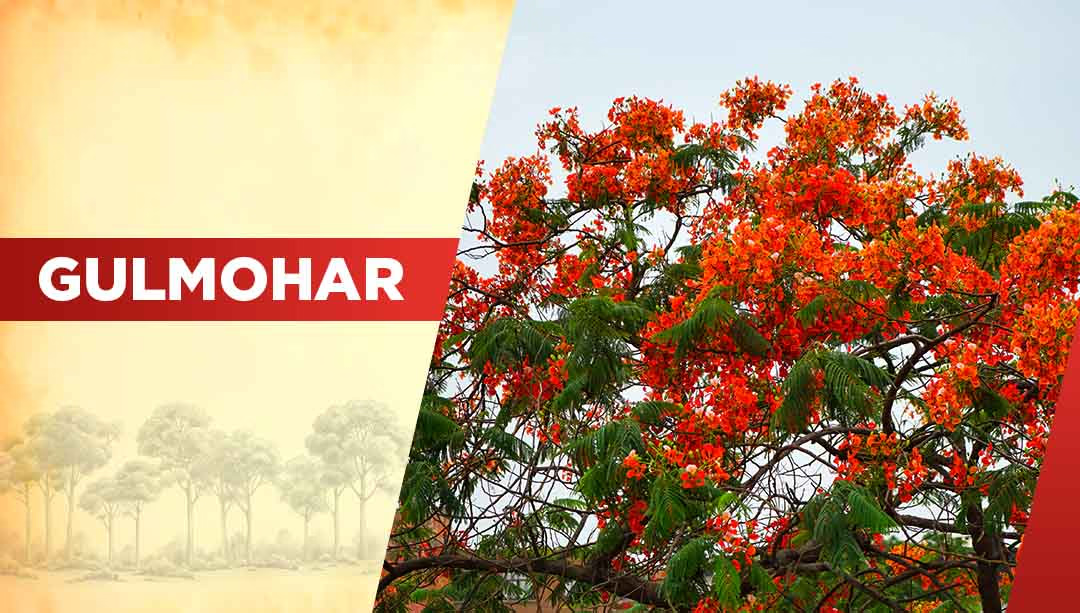
Every April and May, Gulmohar trees make Indian streets look beautiful with their bright red flowers. You must have seen them form a wide canopy that gives great shade from the sun. But it is not just about looks. This tree is also very useful in cities. It grows quickly, spreads well, and has lots of leaves that help in producing oxygen. Its shade also helps reduce the heat, which is very important in crowded urban areas.
|
Names |
Details |
|
Scientific Name |
Delonix regia |
|
Common Names |
Gulmohar, Flame Tree, Royal Poinciana |
Jamun
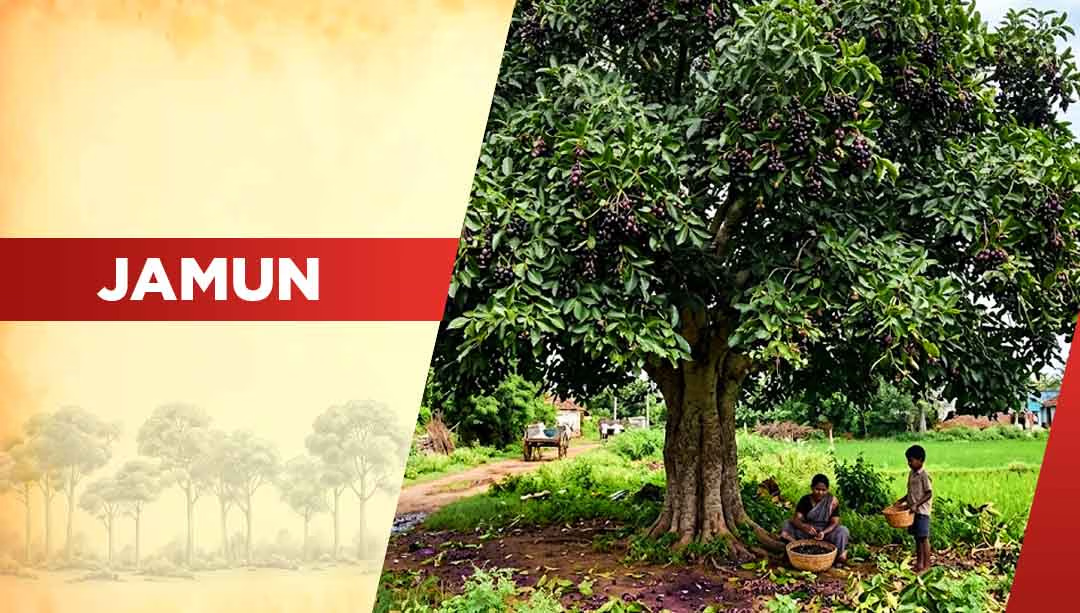
Most people know the Jamun for its deep purple berries that stain your fingers and tongue every summer. Fewer think of it as an ecological asset, but it is. The Jamun is a tall, evergreen tree with dense, glossy foliage that stays green throughout the year. Its long lifespan means a single tree that contributes decades of continuous oxygen production to its surroundings. Found across forests, roadsides, and riverbanks from Kashmir to Kerala.
|
Names |
Details |
|
Scientific Name |
Syzygium cumini |
|
Common Names |
Jamun, Java Plum, Black Plum |
Indian Tulip
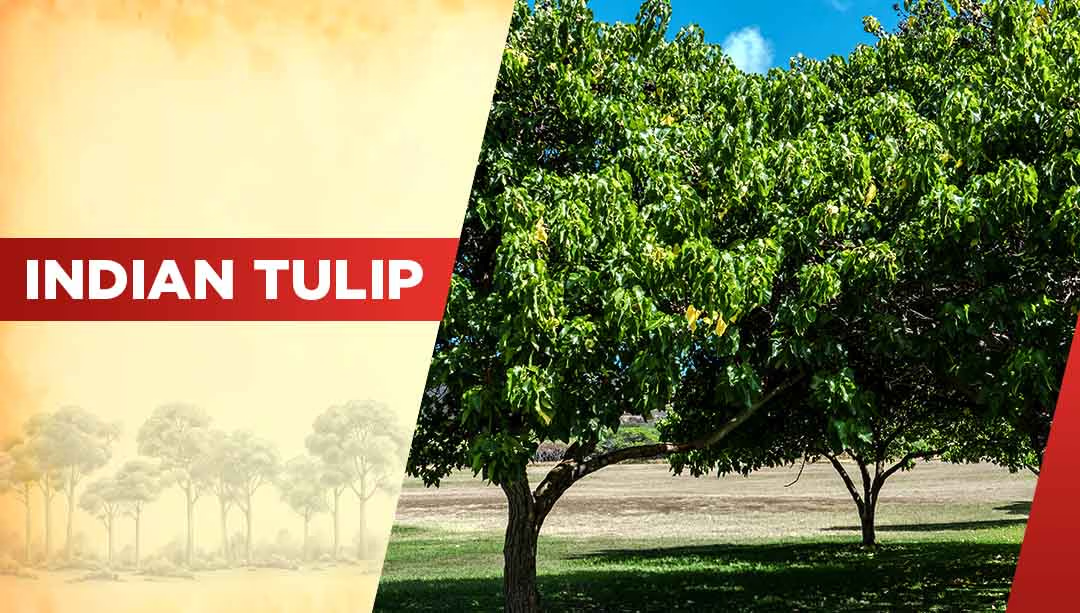
Coastal India is honestly not the easiest place for trees to survive. You have salt in the air, strong winds, and sandy soil, which usually makes their life tough. But the Indian Tulip handles all of this surprisingly well. It grows comfortably along the western and southern coasts of India and plays an important role there. It helps hold the soil together, stands strong against harsh weather, and keeps producing oxygen even in conditions where many other trees would struggle. If you look at states like Kerala and Tamil Nadu, they have relied on this tree for years not just for environmental benefits, but also for its strong wood and practical uses.
|
Names |
Details |
|
Scientific Name |
Thespesia populnea |
|
Common Names |
Indian Tulip, Portia Tree |
Mango
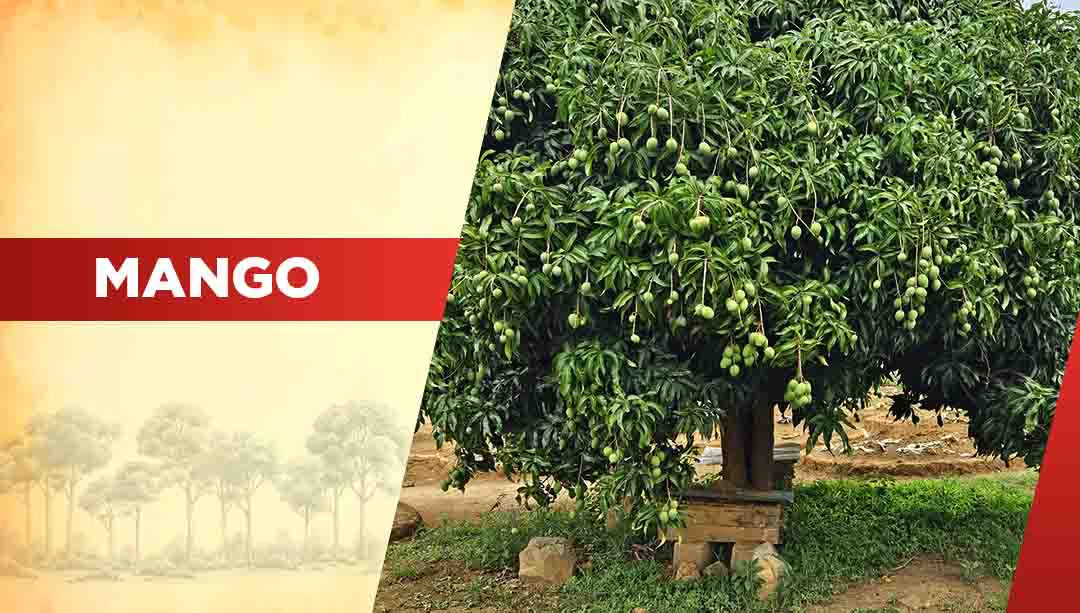
India's relationship with the mango tree goes back to thousands of years. Poets wrote about it. Kings planted orchards of it. And today, mango groves cover millions of hectares across Uttar Pradesh, Andhra Pradesh, and Maharashtra. Beyond the fruit, a mature mango tree develops a large, dense, dark-green canopy that produces oxygen generously for its entire lifespan, which can exceed 300 years. That is three centuries of fruit, shade, cultural significance, and clean air from a single tree. Few plants on Earth offer quite that much in return.
|
Names |
Details |
|
Scientific Name |
Mangifera indica |
|
Common Names |
Mango, Aam |
Conclusion
To conclude this blog, we must acknowledge the importance of trees in our lives. We are here on this planet only because they exist, and we are dependent on trees. Throughout the blog, we have covered the importance of each tree and their unique traits. We have also covered the utility of these trees in a separate table. Apart from that, I would like to end this blog with a famous quote by Franklin D. Roosevelt.
“A nation that destroys its soil destroys itself. Forests are the lungs of our land, purifying the air and giving fresh strength to our people.”
― Franklin D. Roosevelt
Frequently Asked Questions On Top Oxygen Producing Trees
1. Which tree is known to produce oxygen 24 hours a day?
The Peepal tree (Ficus religiosa) is widely believed to produce oxygen round the clock, making it highly valuable for the environment.
2. Why is the Banyan tree considered important for oxygen production?
The Banyan tree (Ficus benghalensis) has a large canopy and extensive leaf area, which helps it produce a significant amount of oxygen.
3. How does Neem contribute to improving air quality?
The Neem tree (Azadirachta indica) not only produces oxygen but also absorbs pollutants and thrives in harsh conditions, making it ideal for urban plantations.
4. Which plant produces more oxygen than most trees and grows very fast?
Bamboo produces about 35% more oxygen than equivalent trees and grows extremely quickly, making it a powerful natural air purifier.
5. Which evergreen tree produces oxygen consistently throughout the year?
The Ashoka tree (Saraca asoca) remains evergreen and continues photosynthesis across all seasons, ensuring steady oxygen production.






Related Blogs