5 Truck Engine Warning Signs And their Causes


In India, trucks ranging from mini trucks to heavy commercial vehicles are used for logistics across some of the most demanding road conditions. These harsh working conditions affect the truck’s engine and body. A tough working environment increases the probability of truck breakdown. You can avoid such issues by never ignoring truck engine warning signs. One simple solution is to conduct regular maintenance checks across your truck fleet. This will help increase the truck’s operational reliability.
Also, it is important to understand the cause behind the warning signs to reduce the chances of a truck breakdown. The blog below has discussed 5 most common truck engine warning signs and their causes that need your attention.
Table of Contents
5 Truck Engine Warning Signs You Must Not Ignore
There can be a lot of reasons as to why your truck engine might not start. We have put together top 5 truck engine warning signs: Check engine light, unusual sounds or vibrations, frequent overheating, rough engine operation, and oil leaks. Addressing these red flags early on can help fleet operators prevent expensive repairs.
Check if Engine Light is On

If the check engine warning sign is on, it can be due to factors like the use of poor-quality fuel, an issue with emission problems, air flow sensor failure, etc. A flashing engine light in particular signals a major problem that can even lead to engine failure.
In CNG trucks, there can be an issue with the spark plug that can turn the engine light on. So, in CNG trucks it becomes important to check the spark plug once the check engine light is on.
You can find the main cause by scheduling a diagnostic scan of the truck. If you find any major faults, then they should be checked and serviced accordingly. Ignoring these issues can affect the truck’s performance and also reduce its fuel efficiency.
Unusual Engine Sounds or Vibrations
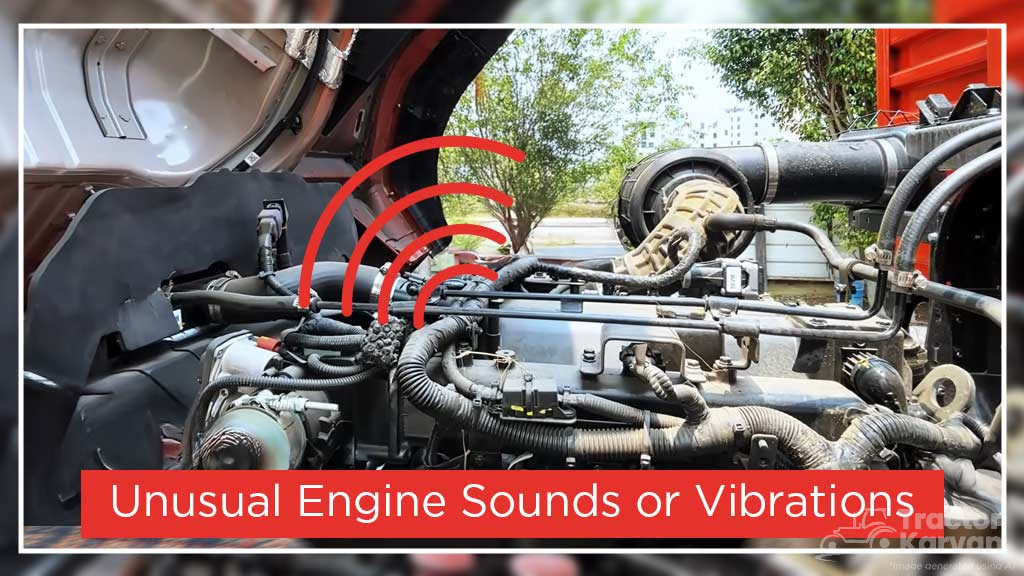
A bad or faulty spark plug in a CNG truck can be one of the main reasons for engine vibrations. A worn-out spark plug can often lead to engine stalling, and this can produce weird vibrations or sounds from the engine.
You can easily resolve this issue by replacing the spark plugs with new ones. But if this issue is not addressed on time, then you could end up with expensive repair bills.
Diesel trucks are most prone to fuel contamination due to adulteration, and this issue can clog filters and damage injectors. Always make sure to drain the water separators regularly so that the trapped moisture gets removed before it reaches the injectors. Also, you can replace the clogged filters.
Frequent Engine Overheating
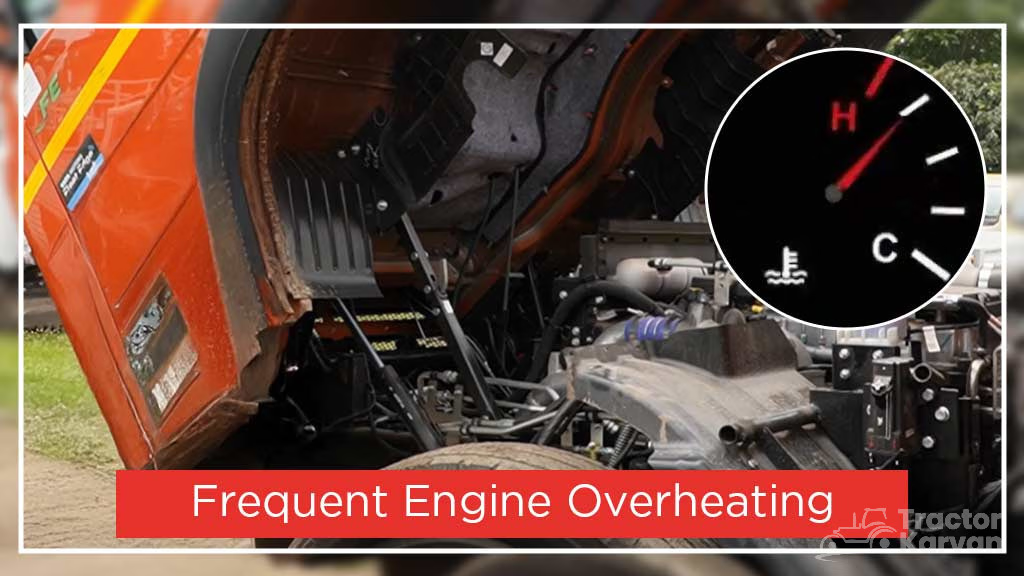
Another common issue that many fleet operators have to face is overheating of the engine. Leaks in the water tank or external cooling lines, low level of coolant, a loose fan belt, etc., can all be the reasons behind engine overheating. Conduct regular checks of coolant levels and other things to avoid overheating problems.
Sometimes serious cases like clogging of the coolant line can also result in poor heat dissipation. In such cases, it is recommended to get the cylinder block system cleaned with chemicals.
Unstable or Rough Engine Operation
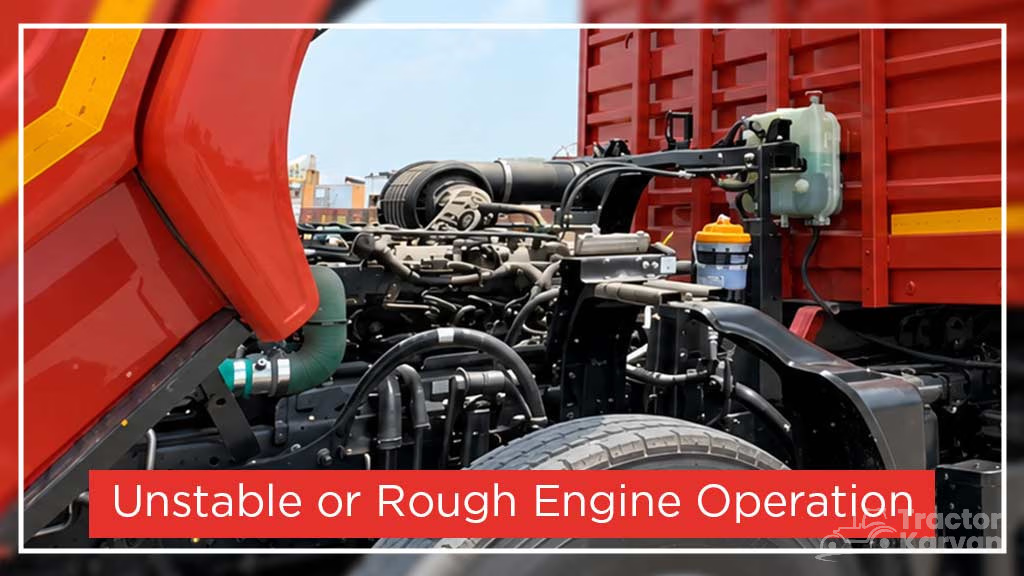
Common-rail injectors, EGR valves, diesel particulate filters, (DPF), etc., can affect the smooth running of the engine. Also, water contamination of any type in fuel can also make engine operations unstable.
EGR valves help reduce NOx emissions, so sometimes carbon buildup can make the valve difficult to open or close. Also, DPF traps soot mass, and it can get clogged overtime.
These problems should be paid attention to and not ignored as everyday issues. You can start by checking the EGR valves, DPF, Common-rail injectors, and fuel quality to get hold and rectify the problem at an early stage.
Oil Leaks
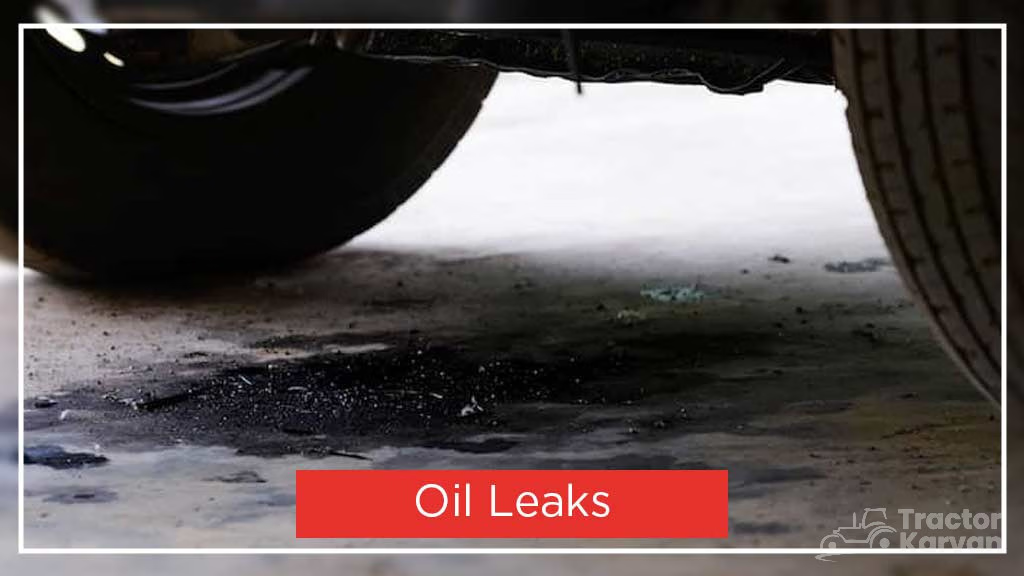
If you notice an oil leak under the engine area while your truck is parked, then the common cause could be:
- A leaking gasket or oil pan
- Loose oil pan drain plug
- Leaking engine timing cover
- Leakage of the oil filter
- Crankshaft seal leakage
Regularly check the underside of the truck for any kind of oil leaks. If you notice anything, take the truck to a service station for further inspection and if needed, go for immediate service to help minimize the damage.
Final Thoughts
Truck engine warning signs like engine light being on, unusual noises from engine, oil leaks, engine overheating, etc., can lead to major problems and costly repairs. A truck driver or fleet operator should be cautious of these signs because they can in some cases lead to complete engine failures. It is important to understand and resolve these issues at an early stage to avoid engine breakdown or any other kind of problem with the truck.
Frequently Asked Questions On 5 Truck Engine Warning Signs And their Causes
1. What are the common causes of an engine warning light?
Some common causes of an engine warning light include a loose spark plug, emission problems, air flow sensor failure, etc.
2. Can a bad spark plug really cause major engine problems?
Yes, a faulty spark plug can cause stalling, vibrations, and rough idling. Ignoring it for too long can cause strain on other engine components and lead to more expensive repairs.
3. What should I do if I notice an oil leak under my truck?
Don't ignore it, even if the leak seems small. Note where the leak is coming from, if possible, and get the truck inspected at a service station promptly.
4. Is it safe to drive a truck when its engine light is on?
You can drive with a steady check engine light for a short distance to reach a mechanic, but you must stop driving immediately if the light is flashing.






Related Blogs