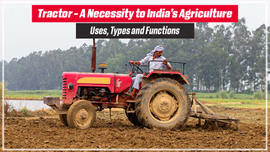
Causes and prevention of tractor engine overheating


Tractor overheating can cause major damage and lower performance. It can also lead to expensive repairs. A malfunctioning radiator is one of the most common culprits. However, when they work for long hours, carry heavy loads, operate in hot weather conditions, and operate in dusty environments, they are likely to suffer from overheating. Learn more about the causes and some preventions of tractor engine overheating in this blog.
Table of Contents
What Causes Tractor Engine Overheating?
Tractor overheating can lead to significant damage, reduced performance, and costly repairs. One of the most common culprits of overheating is a malfunctioning radiator. Keeping your tractor's radiator in good working condition is essential for optimal performance and longevity. Here are some radiator’s overheating causes:
Dirty or Clogged radiator
One of the frequent reasons is dirty or clogged radiator. Dust, soil, straw, or other agricultural waste might be accumulated on the radiator fins when working in fields. This prevents proper ventilation of the radiator and its heat dissipation.
Hot Weather Condition
Hot weather worsens the problem since the cooling system should be working extra hard to dissipate the heat from the engine. The excessive workload may lead to overheating as well.
Poor coolant level
Insufficient coolant is yet another major cause of overheating. The function of the coolant is to move the heat away from the engine into the radiator. Therefore, when there isn’t enough coolant, the whole cooling process becomes less effective. Coolant may escape due to leaks or through evaporation, especially during warm weather. Another problem is using normal or hard water in place of coolant.
Faulty water pump
Malfunctions in the water pump, thermostats, fan, or the fan belt may lead to overheating of the engine. The water pump is designed to circulate the coolant, whereas the thermostat controls its flow from the engine to the radiator. Additionally, a damaged fan belt will hinder adequate airflow through the radiator.
Poor engine oil condition
Engine oil is equally critical in ensuring that temperatures remain stable. If there is low, used, or dirty engine oil, more friction between moving engine components will be generated, resulting in periods, more stress will be placed on the engine.
How to Prevent Tractor Engine Overheating
Maintaining regular care is one of the easiest ways to avoid overheating. Check out the following tips to prevent your tractor from overheating:
Regular Radiator Cleaning
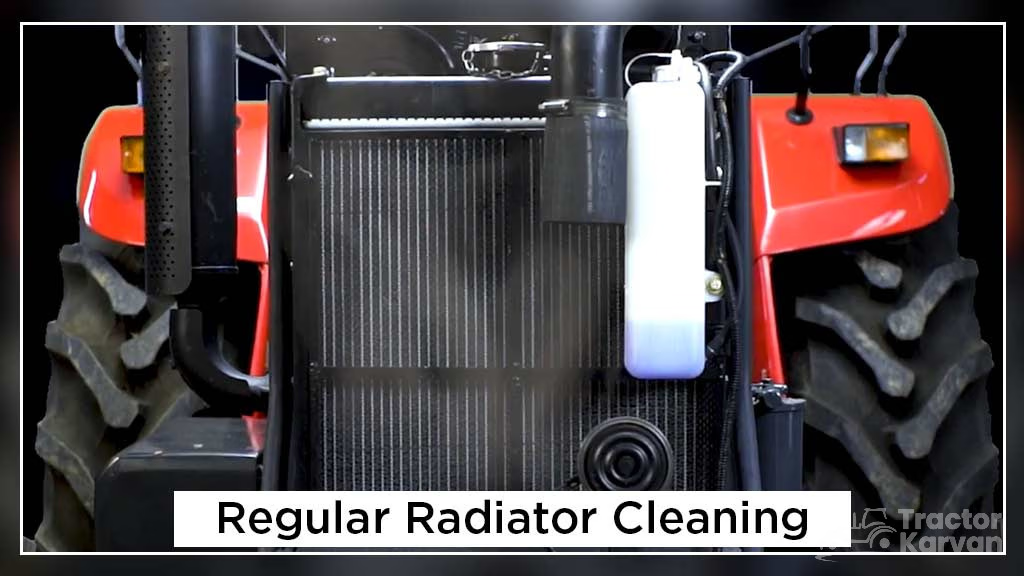
The radiator needs to be cleaned regularly, especially during the using the tractor in dusty fields. It is important to clean the fins from dust and crop residues for better heat dissipation. Cleaning can be done delicately using a brush or air/water in order not to damage the fins of the radiator.
Monitor Coolant Level
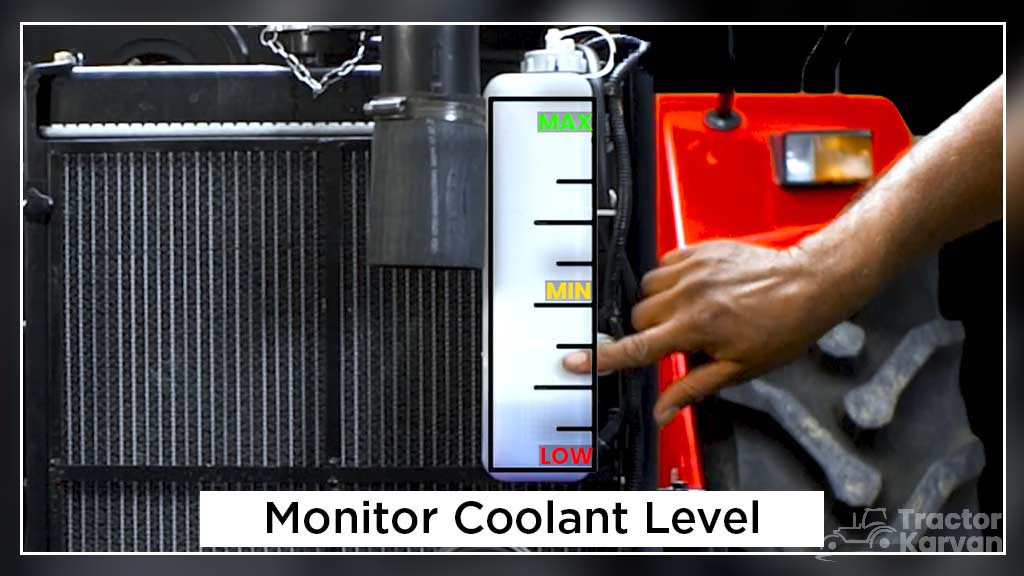
It is important to ensure the amount of coolant in the radiator by checking it from time to time especially before long working hours and under hot weather conditions. Instead of using poor quality water, it is advisable to use the appropriate coolant mixture.
Check the thermostat & water pump
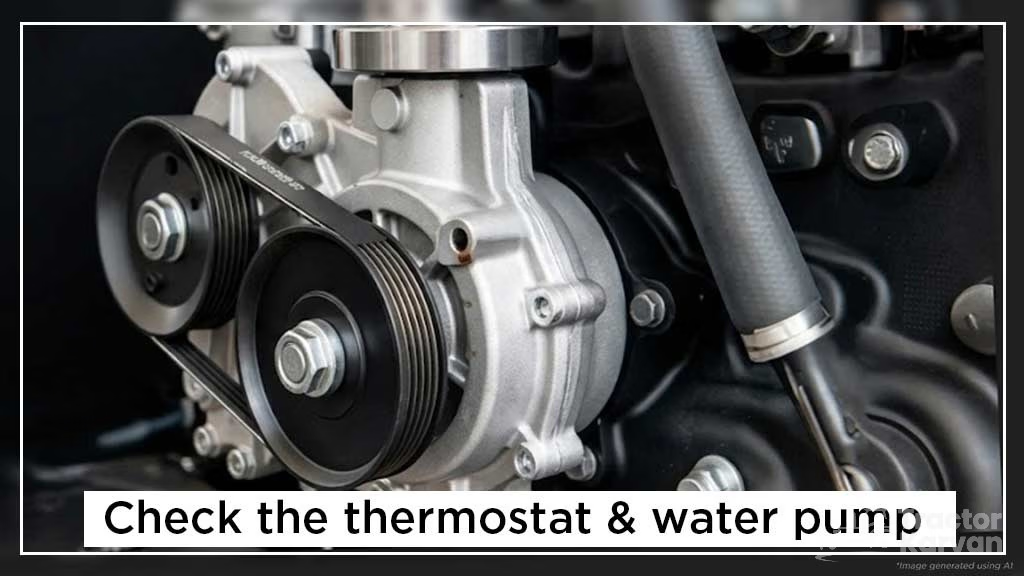
The thermostat, water pump, fan, and fan belt should be in a good state of maintenance. Inspection of the parts will ensure that any worn-out and faulty parts are replaced before failure.
Check engine oil condition
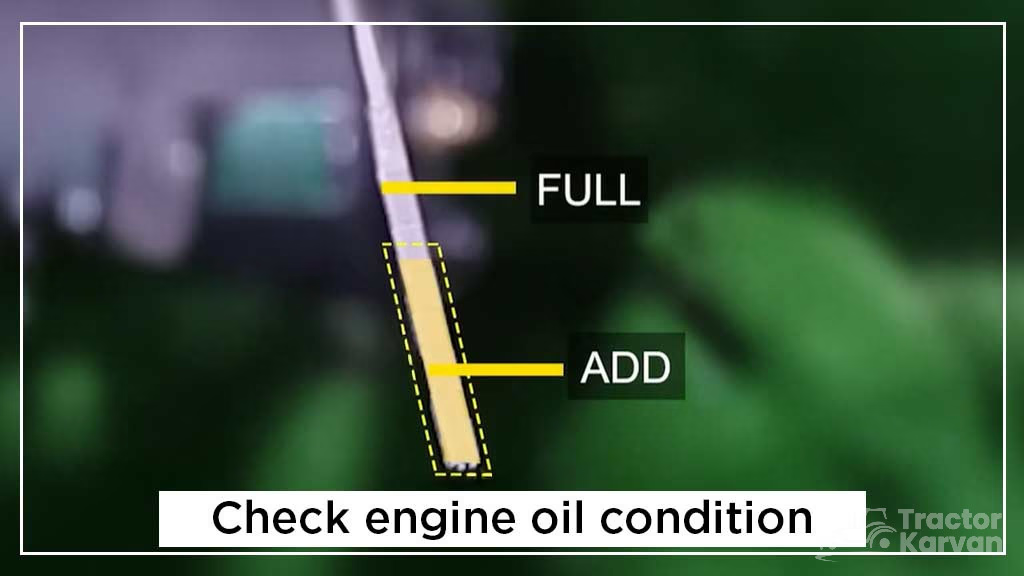
Checking engine oil is also important since fresh oil minimizes friction and heat production. Moreover, taking care of engine oil reduces friction. Low engine oil level or dirty oil increases friction, which creates more heat and leads to overheating.
Avoid Overloading the Tractor
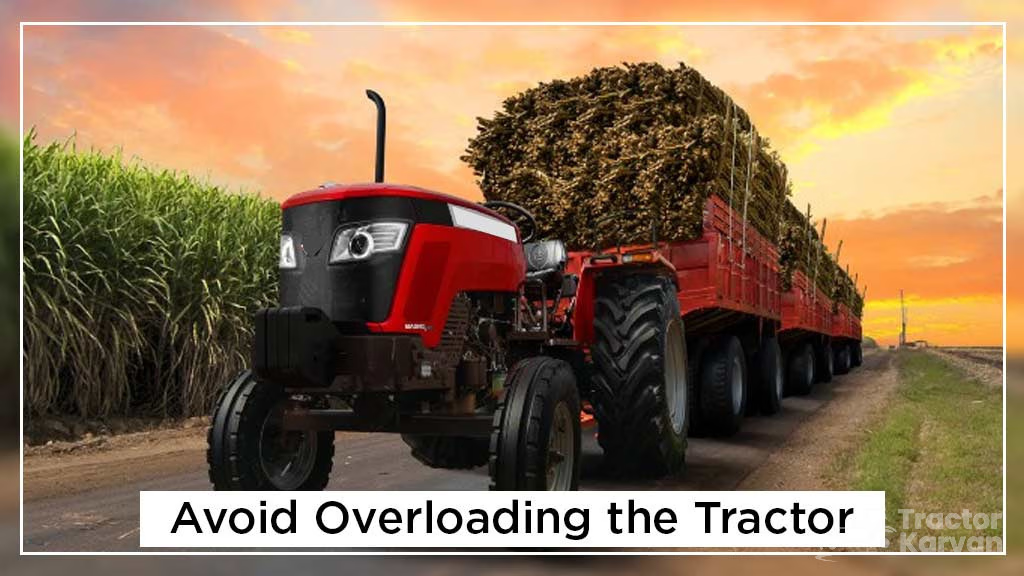
Overloading your tractor puts too much strain on the engine and makes it run hot. Watch the weight limit and spread the load evenly. If you are working in a hot condition or using the tractor for an extended period, then take a break and allow the engine to cool by itself.
Service your tractor regularly
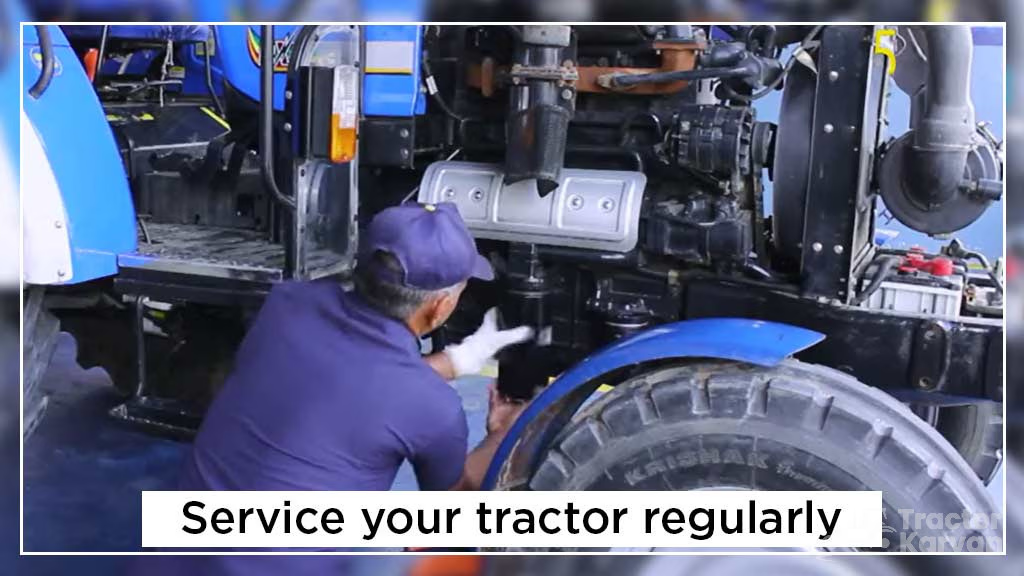
Following a maintenance schedule, as per the manufacturer’s recommended maintenance schedule, can help to identify and resolve potential issues before overheating.
You must ensure that the belts and fans are in good condition and functioning properly. A faulty part can impede airflow, leading to overheating.
Conclusion
Overheating of the tractor engine is usually preventable if the proper maintenance is done. The process of keeping the radiator clean, maintain the right amount of coolant, monitoring the oil and belt condition, examining the hoses, thermostat, and water pump, operating the tractor without overloading, and doing the regular service should be observed.
Frequently Asked Questions On Causes and prevention of tractor engine overheating
1. What are the main causes of tractor engine overheating?
The main causes of tractor engine overheating are low coolant levels, blocked or dirty radiator, damaged thermostat, faulty water pump, slipping or broken fan belt and overloading.
2. How can I prevent my tractor from overheating?
To prevent tractor from overheating, follow simple maintenance steps, such as clean the radiator regularly, check coolant and engine oil levels regularly, inspect belts and hoses, and manage loads.
3. What should I do immediately if my tractor starts to overheat?
If your tractor starts to overheat then stop the tractor engine immediately, let the engine to cool by itself.






Related Blogs