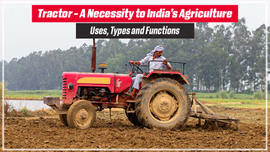
Tractor Maintenance Guide for the Rainy Season


It is a well-known fact how important the monsoon is for Indian farming. However, it also brings its own challenges, especially for machines like tractors that are heavily used during this season for various farming activities.
In this blog, we will learn about the key checkpoints that you need to follow as a prerequisite before the onset of this season.
Table of Contents
- Why Maintaining Your Tractor Before the Monsoon Matters
- Pre-Monsoon Tractor Maintenance Checklist
- During the Rainy Season Tractor Checklist
- Conclusion
Why Maintaining Your Tractor Before the Monsoon Matters
In India, the monsoon plays a key role in farming. As the rain begins, farmers start important activities like ploughing, sowing, and preparing their fields. During this time, tractors have become the most important asset for farmers.
Now, if these tractors are not properly maintained before the rainy season, it can result in sudden breakdowns, which may cause delays and increase repair costs. Rain, mud, and moisture can also damage different parts of the tractor. That’s why it is very important to service and inspect the tractor before the monsoon.
Pre-Monsoon Tractor Maintenance Checklist
Below, we have mentioned an important checklist that you need to follow to ensure that your tractor is ready for the monsoon season.
Engine Oil and Oil Filter Check
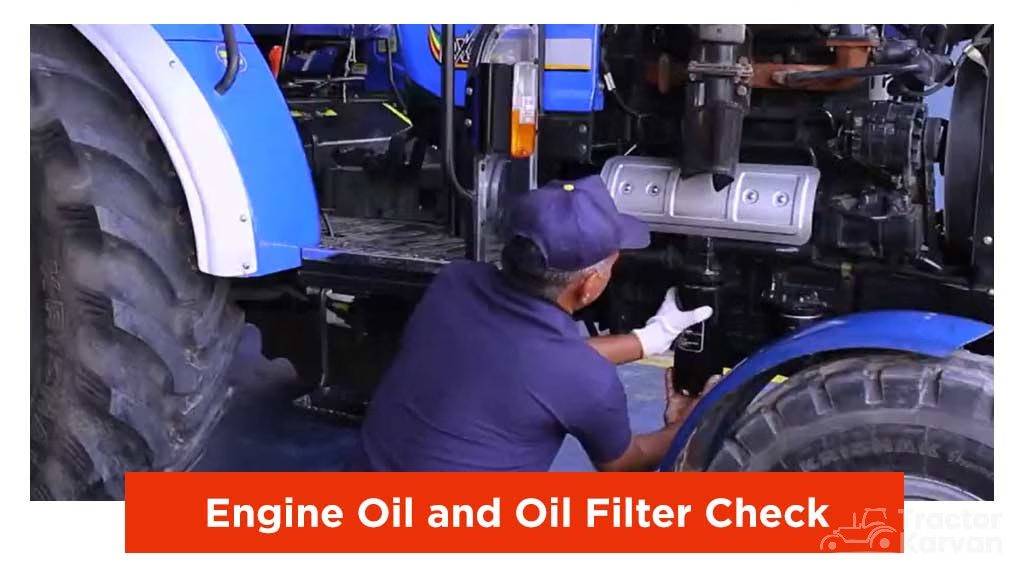
Engine oil is the lifeline of your tractor. Before monsoon, check both level and quality of oil. If the oil looks black, thick, or has metal particles, replace it immediately. Old oil reduces engine life and increases fuel consumption.
- Check oil level with dipstick
- Change oil if overdue
- Replace oil filter to avoid clogging
Cooling System and Radiator Cleaning
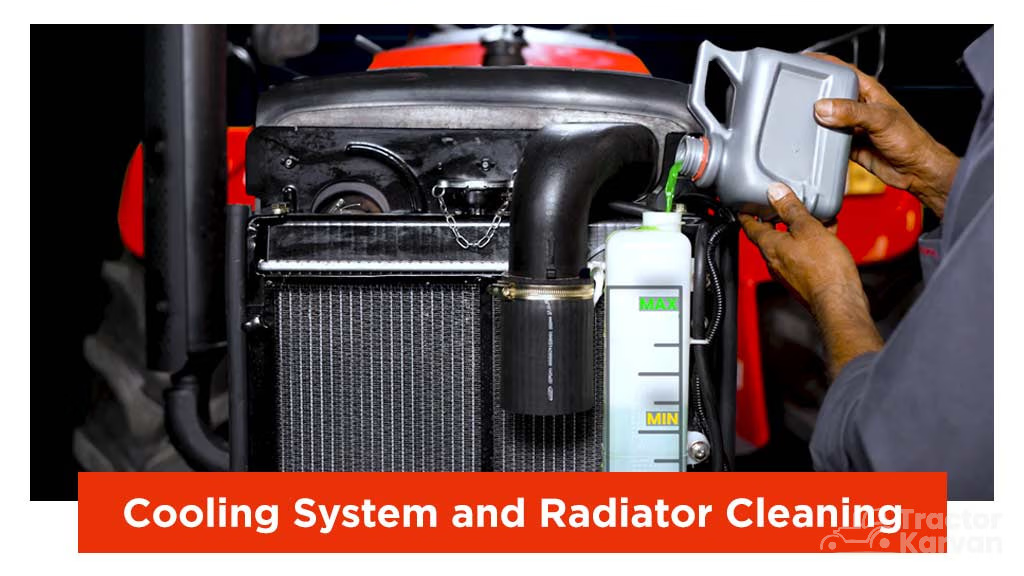
In the rainy season, mud and dirt can block the radiator and cause the engine to overheat. Keep the radiator fins clean so air can pass easily. Check the coolant quality and level, replace if needed. Also, look for any leaks or cracks in hoses and make sure the fan belt is tight and in good condition.
Air Filter and Pre-Cleaner Check

During the rainy season, dust mixes with moisture and turns into sticky dirt, which can block the air filter. This reduces airflow to the engine, leading to low power and higher fuel consumption. To avoid this, clean the air filter regularly and make sure it is not clogged. If your tractor has a pre-cleaner, check it carefully because it collects dirt and water before air reaches the engine.
Clean Fuel System
Water entering the diesel tank is a common monsoon problem. This can stop the engine or damage injectors.
How to prevent it?
- Drain old fuel if contaminated
- Clean fuel tank from inside
- Check fuel filter and replace if dirty
- Check fuel pipe and connection
Check Battery Health and Terminals

Starting the tractor and the power flow of the tractor might face difficulties due to humidity, rain, rust, and corrosion at the terminals. Thus, you should clean the battery terminals, remove white corrosion, and apply grease or petroleum jelly on them. Also, check the water level if it is a lead-acid battery and ensure that the battery is tightly fixed to avoid vibration.
Tyres, Grip and Ballast Check

It is another important aspect when working in wet and muddy fields. It becomes important to check the grip to avoid slippage. For this, you should check the tyre tread depth, cuts and cracks, maintain proper air pressure, and add ballast weight if needed for improved traction.
Brake System and Clutch Adjustment
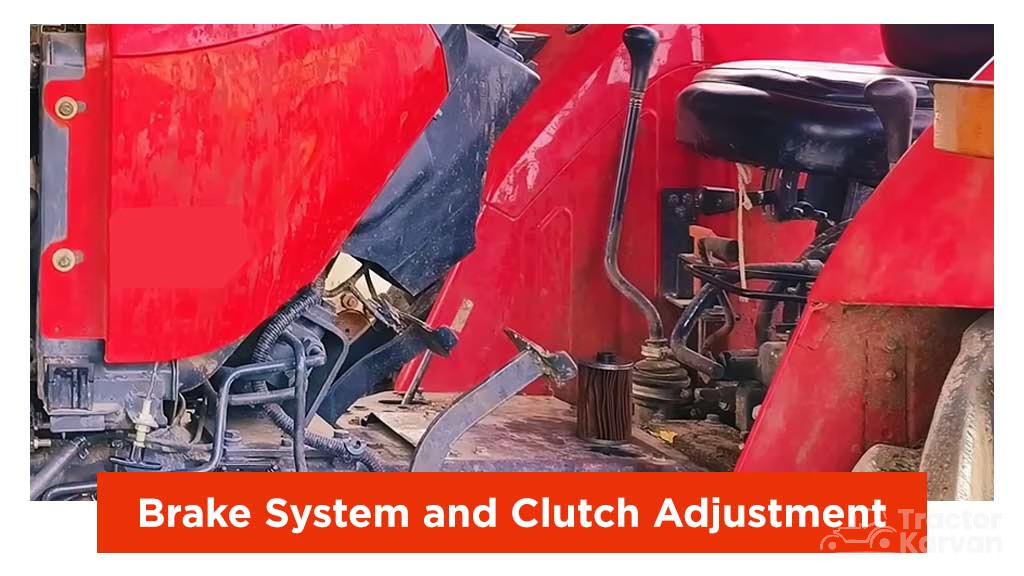
During the rainy season, wet and slippery conditions can reduce braking efficiency and affect clutch performance, which can be risky during both fieldwork and transport. So, before regular use, make sure the brakes respond properly and the pedal play is not too loose or tight. It’s also a good idea to test the brakes on wet ground to see how they perform. Along with this, adjust the clutch free play if needed and ensure there is no slipping or jerking while operating the tractor.
During the Rainy Season Tractor Checklist
|
Area |
Action |
|
Regular Cleaning |
Remove mud from tyres, radiator, and underbody. |
|
Brakes & Clutch |
Test brakes and clutches before going for any farm activities. |
|
Tyre Grip |
Check for slipping while working; adjust pressure if needed. |
|
Electricals |
Ensure lights and wiring stay dry. |
|
Lubrication |
Grease moving parts frequently as water washes away lubrication. |
|
Fuel Check |
Check for water in fuel tank; drain if contamination is found. |
|
Engine Heat |
Monitor temperature during long working hours to avoid overheating. |
|
Parking |
Always Park your tractor in a covered or dry place after usage. |
Conclusion
It is very important to understand that these checkpoints really need to be given attention, as during the season you cannot afford to struggle with your most important machine, the tractor. So, make sure your tractor is absolutely ready to function efficiently, and also follow the checklist provided for the season to ensure optimal performance.
Frequently Asked Questions On Tractor Maintenance Guide for the Rainy Season
1. Why should I service my tractor before the monsoon?
Servicing helps prevent breakdowns caused by rain, mud, and moisture, ensuring smooth operation during critical farming activities.
2. How often should I check engine oil during the rainy season?
You should check the oil level regularly and replace it if it appears dirty, thick, or overdue for service.
3. What problems can water in the fuel tank cause?
Water contamination can damage injectors, stop the engine, and reduce overall performance.
4. Why is tyre grip important in the rainy season?
Wet and muddy fields reduce traction, so proper tyre grip prevents slipping and improves safety and efficiency.
5. How do I protect tractor electrical components during rains?
Keep wiring dry, check insulation, and store the tractor in a covered area to avoid moisture damage.
6. What maintenance should be done daily in monsoon?
Clean mud, check brakes and tyres, monitor engine temperature, and inspect fuel for contamination.






Related Blogs