Top 10 Rice Producing Countries in the World


Rice is one of the most important foods in the world. Considered a staple food grain in many countries, it holds significance in both cultural and economic contexts. It is not only a food source for billions of people around the world but also one of the largest providers of daily income for millions of farmers. In this blog, we’ll learn more about the world's top 10 rice-producing countries and how rice cultivation has drastically changed the face of the Agro-industry.
Table of Contents
- An Overview of Rice Cultivation
- Top 10 Rice Producing Countries in the World
- India
- China
- Bangladesh
- Indonesia
- Vietnam
- Thailand
- Philippines
- Myanmar
- Pakistan
- Brazil
An Overview of Rice Cultivation
Rice is a staple food in more than 100 countries and is considered an important staple for many people worldwide. It is a major source of calorie intake and is often eaten by a wide section of society. Global rice cultivation is dominated by Asia, where 90% of the world’s rice is produced and consumed. The major exporters of rice are India, Thailand, Vietnam, Pakistan, and Myanmar, among which India is the largest, accounting for 40% of global exports. While the largest importers are China, Nigeria, the Philippines, and Iran. Today, India is the world's largest rice producer, accounting for 28% of global production.
Top 10 Rice Producing Countries in the World
As per the data published in Foreign Agricultural Service, India, China, Bangladesh, etc. are the top rice producing countries in the world. Let’s explore all these rice producing countries in more detail:
India
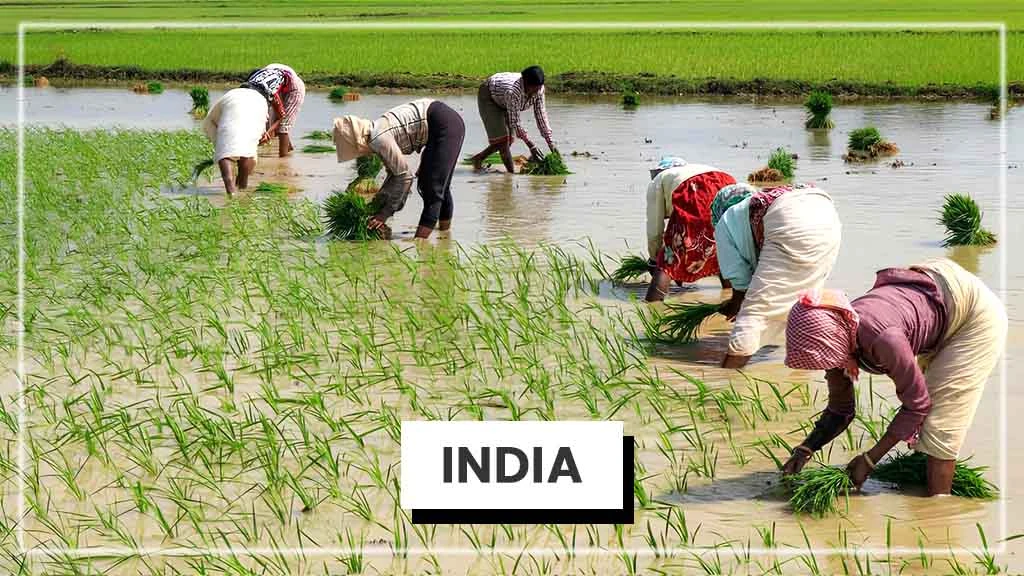
India is the world's leading rice producer, accounting for more than one-fourth of global production (28%). Between 2024-25, India produced over 150 million Metric tons of rice. Among 123,000 varieties of rice in the world, nearly 60,000 are found in India.
In many states of India, Rice is considered a staple food grain, significant in both cultural and religious aspects. Rice is mostly grown in the states of Uttar Pradesh, Punjab, West Bengal, and Tamil Nadu. Northeastern regions of the country, such as Nagaland, Assam, and Mizoram, are also key players in rice cultivation. These regions alone account for around 7% of the country's rice production.
Popular types of rice in India include Basmati (a long-grain rice known for its fragrant quality), Sona Masoori, and Dubraj, which is commonly used in Indian cooking.
China
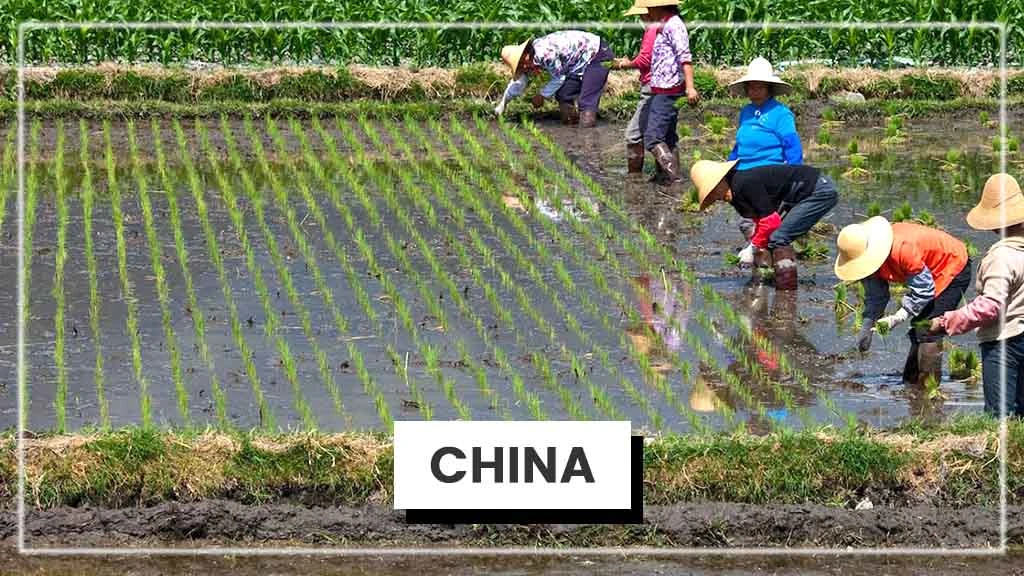
With 27% of global production, China is the second-largest rice producer in the world. Rice is a key part of their culture and appetite. During the historical period, most rice production in the country occurred in the Yangtze Valley. It was due to the wet, warm weather, which was ideal for rice cultivation.
However, today, almost every province in China produces Rice. It is not only one of the most important food sources in the country but also a useful tool for strengthening the country’s economy. China also exports rice to countries such as Japan, Korea, the Philippines, Egypt, and Turkey, as well as to some other European nations and a large part of the African market. Between 2024 and 2025, China produced 145.28 million metric tons of rice.
Bangladesh
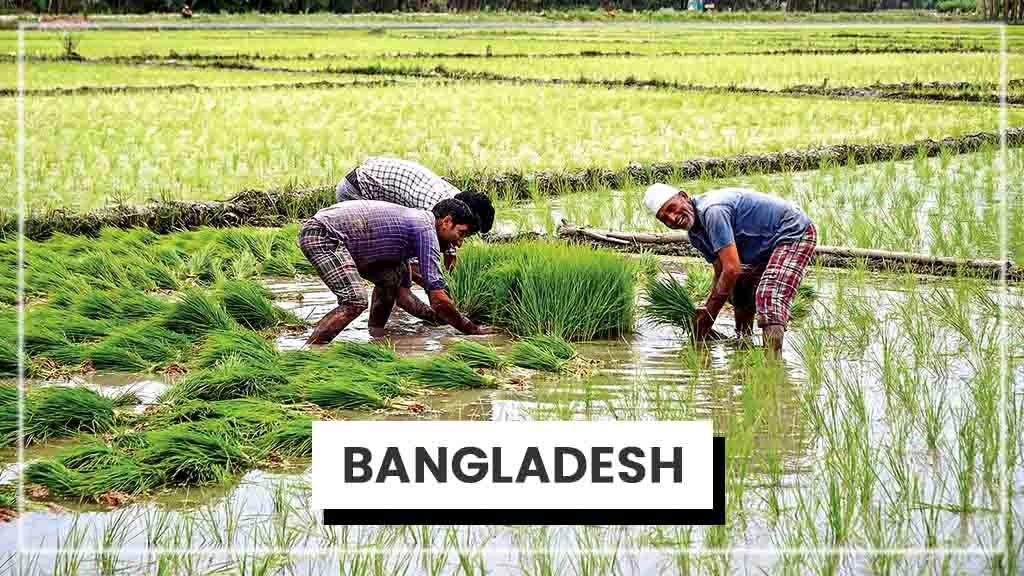
Rice is an important food crop in the country and a major part of its agriculture. Around 75% of Bangladesh’s fertile land is used for rice cultivation. The country produced over 36.6 million metric tons of rice between 2024 and 2025. This accounts for 7% of total global production. There are a few popular varieties of rice available in the country, such as Boro Rice, Basmati, Amon, Balam, etc.
Rice cultivation in Bangladesh not only provides food for people but also generates income for millions of citizens across the country. Farming is the main source of income in the country, with more than 40% of the population employed in the agricultural sector.
Indonesia
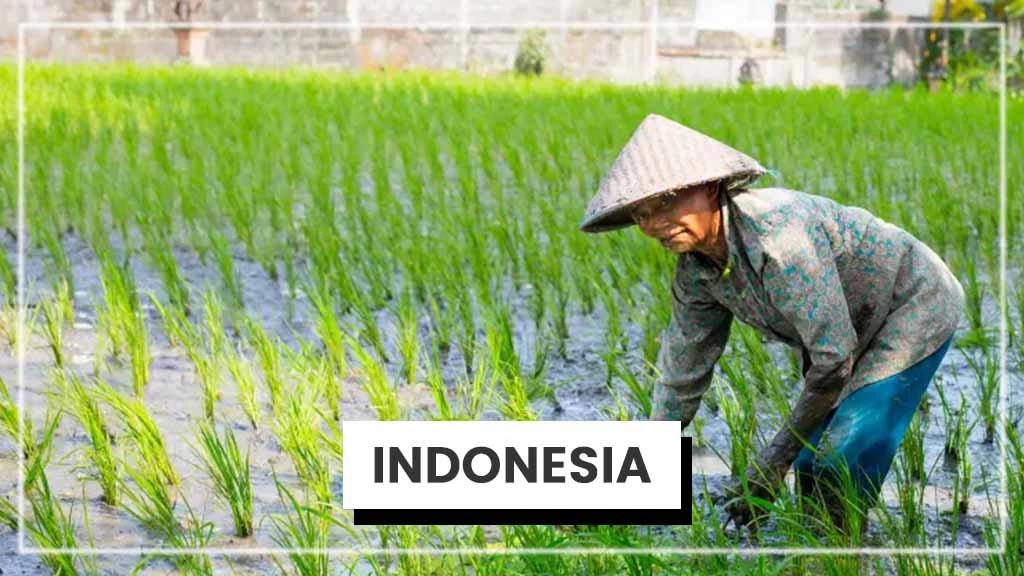
Indonesia is responsible for around 6% of the global rice production. The country produced 34.1 million metric tons of rice in 2024-25. The country's tropical climate and frequent rainfall result in multiple harvests each year. Indonesia’s economy mostly relies on self-sufficiency rather than on exporting its produce. However, during natural disasters or shortages, Indonesia exports its agricultural products to countries such as Malaysia, Thailand, and Vietnam.
Rice is a staple food in every Indonesian household, and with government-implemented schemes, it’s becoming a powerhouse in the global agricultural sector. The popular variety of rice eaten in the country is IR64.
Vietnam
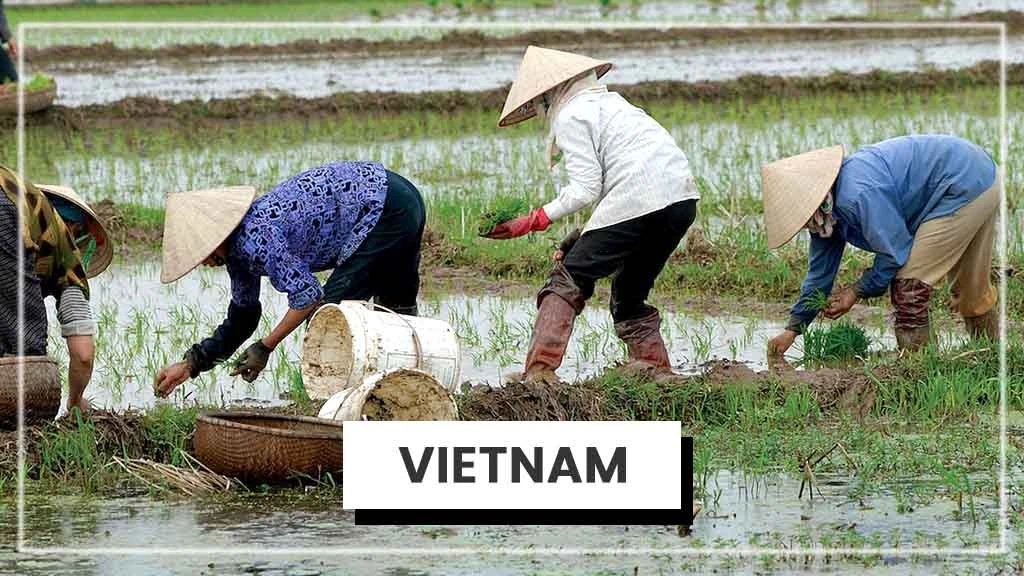
In Southeast Asia, Vietnam is not only the leader in rice production but also one of the top exporters of the grain. Just behind Indonesia, Vietnam contributes around 5% of the global rice production. Their total rice production for the year 2024-2025 was around 26.75 million metric tons. Most of the country's rice production comes from the fertile Mekong Delta (also nicknamed the ‘Rice Bowl of Vietnam’). The country exports a huge portion of its rice to countries such as China, Japan, Thailand, and the Philippines.
Vietnam is popular for its highly sought-after Jasmine Rice. Another popular variety of rice in Vietnam is ‘Cianjar Pandan wangi’, which is known for its amazing fragrance. It is commonly used in dishes such as Nasi Goreng and Nasi Puti.
Thailand
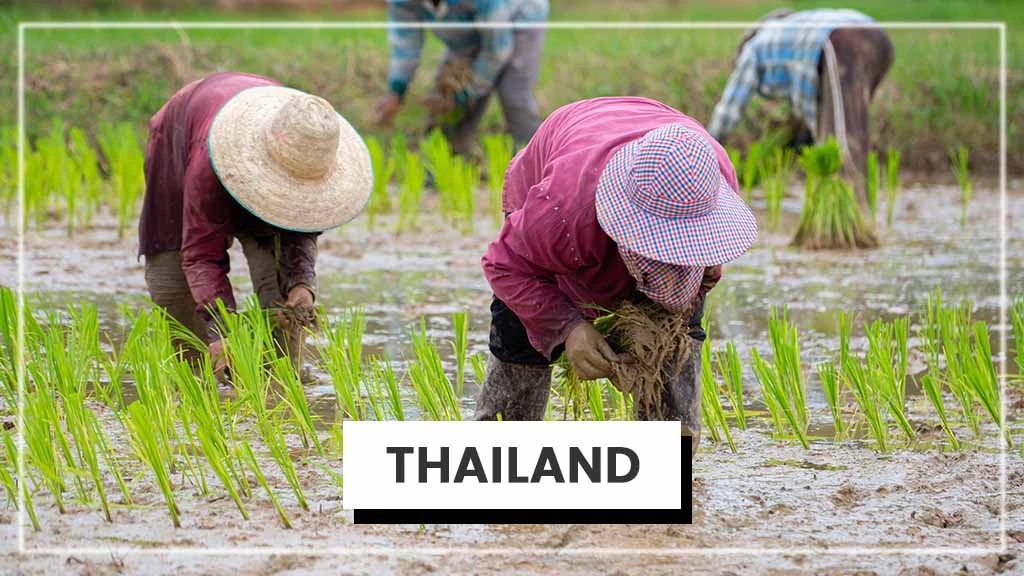
Thailand produced 20.84 million metric tons of rice in the year 2024-25. The country contributes to around 4% of global rice production. World-famous for its jasmine rice, Thailand’s economy and food dependency are largely on rice. The country is also one of the top exporters of rice. Their rice is exported to countries such as China, the Middle East, India, and the United States. Thailand’s good tropical weather and strong irrigation systems are among the main reasons for successful rice cultivation.
Philippines
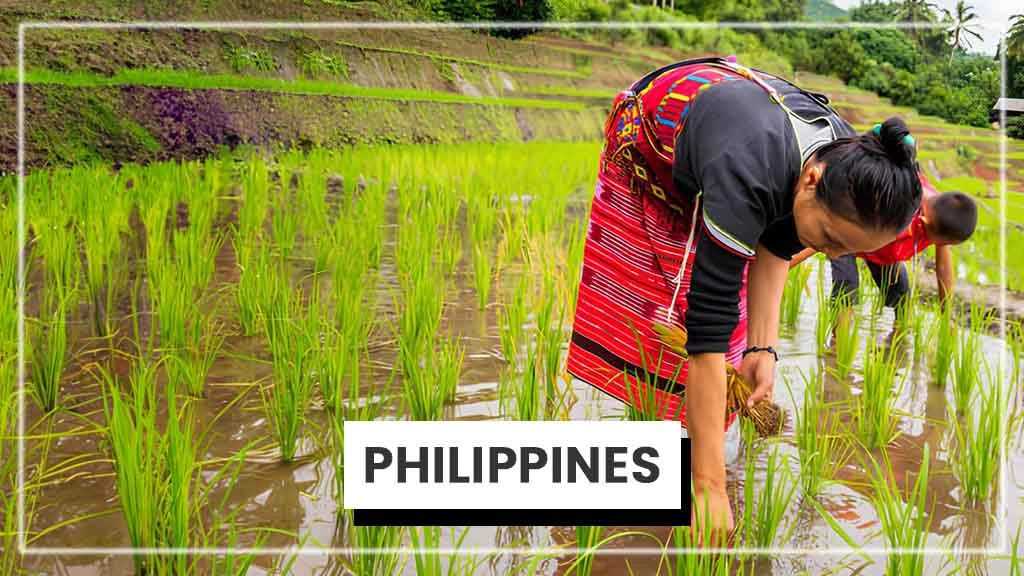
The Philippines produced 12.37 million metric tons of rice in 2024-25, accounting for 2% of global production. Rice in the country is mostly grown in the regions of Luzon, Mindanao, and Visaya. Popular types of rice in the Philippines include ‘Dinorado’ and ‘Sinandomeng’, known for their softness and taste. Even though the Philippines is a major rice producer, it still imports rice from countries like Vietnam and Thailand. Even though the government is helping farmers with subsidy tools and agricultural schemes, problems such as storms, floods, and small farmland persist.
Myanmar (Burma)
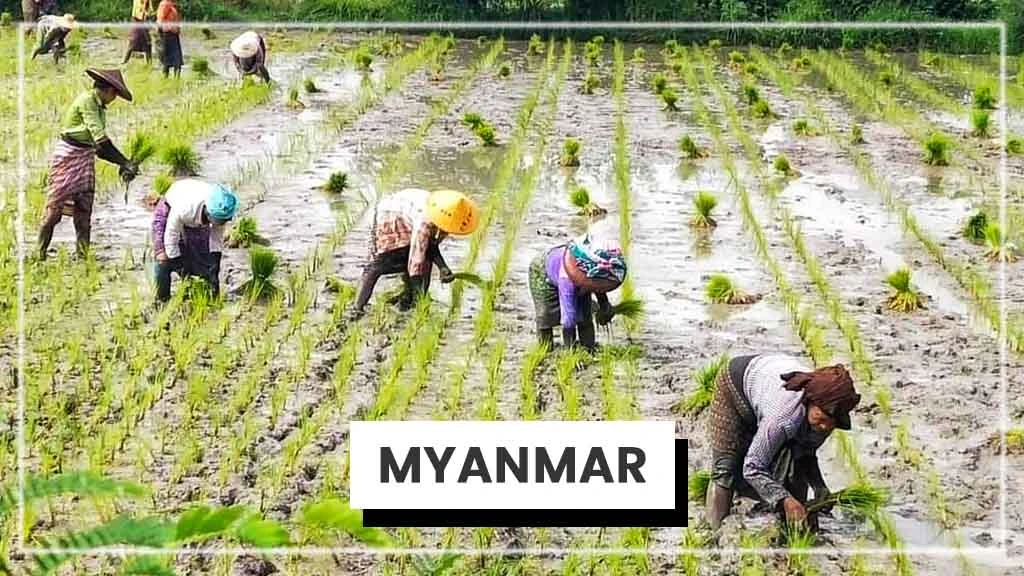
Myanmar grows 11.9 million metric tons of rice every year which accounts for around 2% of the global rice production. Most of the rice in the country is grown in Irrawaddy Delta. Myanmar exports its rice to China, Bangladesh, and other countries that might require food supply. Even though the country is dealing with its socio-political issues, the government is putting its best foot forward to improving farming and exports in the country.
Pakistan
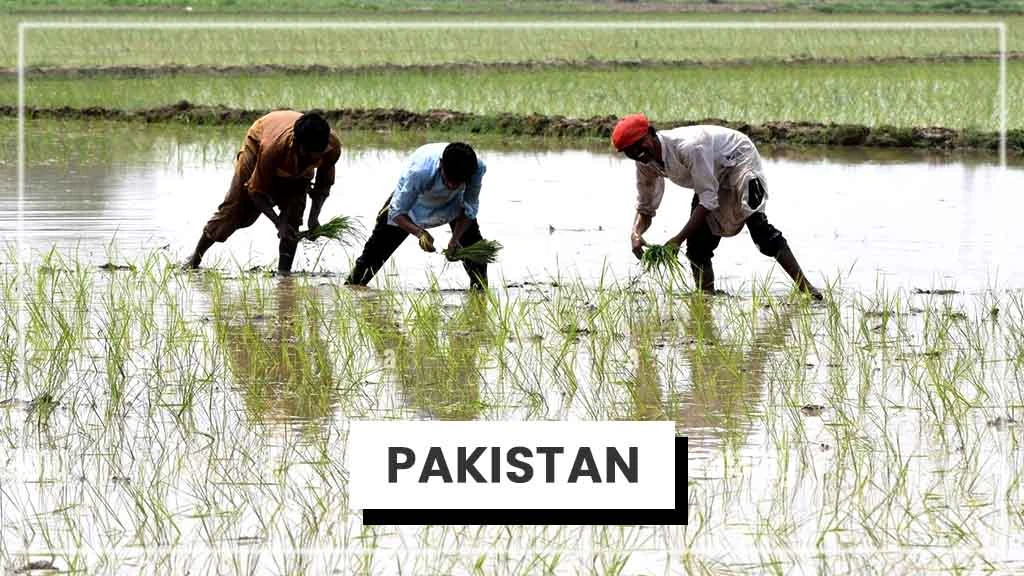
Pakistan is famous for its long-grain basmati rice, which is exported to countries like the UAE, the Middle East, Europe, and Africa. In 2024-25, Pakistan produced 9.72 million metric tons of rice. The country contributed 2% of global production.
Most of the rice produced in the country is grown in the Punjab and Sindh regions of Pakistan. The government provides farmers with support and better tools. Pakistan is known for producing good aromatic rice used in popular dishes such as Biryani and Pulao. The popular varieties of rice include Basmati and Sella.
Brazil
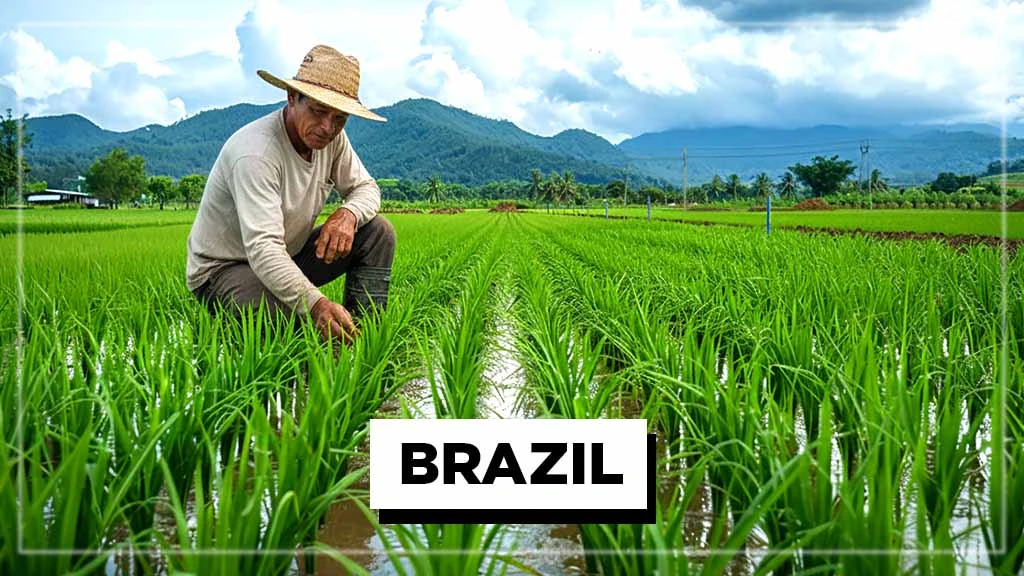
Brazil is the largest producer of rice outside Asia, with production of 8.68 million metric tons in 2024-25, accounting for 2% of global rice production. In Brazil, rice is produced in two ecosystems: upland and lowland. Rice is mainly produced in the southern states of Brazil, mainly in Rio Grande do Sul. The country is the largest consumer of milled rice in South America and the Caribbean, reflecting the grain's significance in the country's diet and food culture.
Frequently Asked Questions On Top 10 Rice Producing Countries in the World
1. Which are the top 3 rice-producing countries in the world?
India, China, and Bangladesh are the world's top 3 rice-producing countries.
2. Where is 90% of rice grown?
Asia produces 90% of the world's rice.
3. Which country is called the rice bowl of the world?
Vietnam is called the rice bowl of the world.
4. What country is the largest exporter of rice?
India is the world's largest rice exporter.
5. Top 10 Rice Producing Countries in 2026
Rice is a staple food grain with significance in both cultural and economic contexts. Read the complete blog to learn more about the world's top 10 rice-producing countries on Tractorkarvan.





Related Blogs