In this blog, we will explore the diverse landscape of maize cultivation in India. We will delve into the rich varieties and types of maize that thrive across various agro-climatic regions of India. From traditional staples like dent and flint corn to specialized varieties such as Quality Protein Maize, sweet corn, etc., each of its types plays an important role in addressing nutritional, industrial, and agricultural challenges in the country.
Table of Contents
- About Maize Crop in India
- Indian Maize Varieties: What to Grow & Why
- Dent Corn
- Flint Corn
- Flour Corn
- Sweet Corn
- Baby Corn
- Pop Corn
- Waxy Corn
- Quality Protein Maize
- High Oil Corn
- Fodder Maize
- Region-wise Maize High Yielding Varieties in India
About Maize Crop in India
Universally, maize is recognized as the queen of cereals due to its highest hereditary yield potential among all the cereals. According to APEDA, the USA single-handedly leads worldwide maize production by contributing 30.99% of the total output. India ranks 4th in terms of area and 7th in terms of production, representing around 4% of the world’s maize area and 2% of total production.
This highly adaptable crop is produced in about 165 countries throughout the world with diverse soil, climate, biodiversity, and management practices. The maize cultivation in India is performed throughout the year. It is primarily a kharif season crop, with 85 percent of the area under cultivation throughout the season. The maize crop in India holds around 10 percent of total grain production and serves as a staple food for humans and animals.
The consumption of maize as food, fodder, and industrial raw material is increasing tremendously. One of the major reasons for this increasing demand is its nutritional value. Maize is reputed to be a poor man’s Nutri-cereal due to its high content of carbohydrates, fats, proteins, minerals, and vitamins.
The food processing industries are introducing new value-added products made from maize like flakes, biscuits, chips, etc. Due to this, millions of people, especially in developing countries, have changed their food habits and are switching to this healthy alternative for deriving most of their daily calorie requirement from maize. The adaptability and versatility of this crop have led to the introduction of different types of maize and different varieties of maize.
Indian Maize Varieties: What to Grow & Why
In the continuously changing farming scenarios of the country, maize appears to be a potential crop addressing different challenges like food and nutritional security, climate change, water scarcity, etc. Additionally, the best maize seed variety can help you to grow a quality crop. It is also utilized as a raw material in different industries, like starch, paper, oil, cosmetics, pharmaceuticals, food, textiles, and more. Let’s look into the types and varieties of maize in detail.
- Dent Corn
- Flint Corn
- Flour Corn
- Sweet Corn
- Baby Corn
- Pop Corn
- Waxy Corn
- Quality Protein Maize
- High Oil Corn
- Fodder Maize
Let’s discuss each maize variety in detail below:
Dent Corn
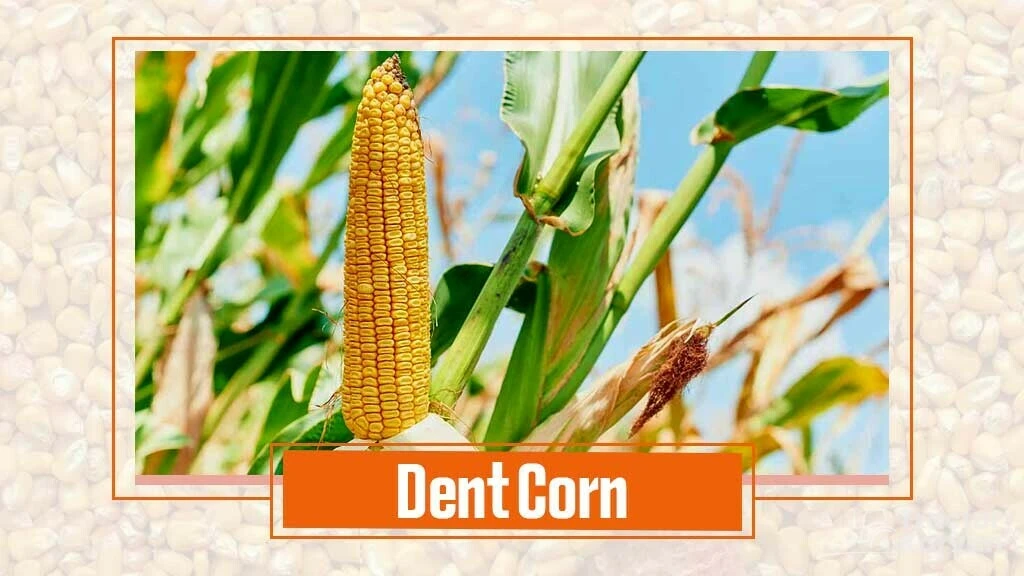
Dent corn, also known as field corn, has kernels containing a hard form of starch at the sides and a soft type in the center. When the center of the kernel dries, it creates a dent-like appearance, owing to this, dent corn was given its name. The degree of denting varies depending on the genetic background. Dent corn is primarily used as animal food, but it also serves as an industrial raw material for ethanol production and processed food production.
Flint Corn
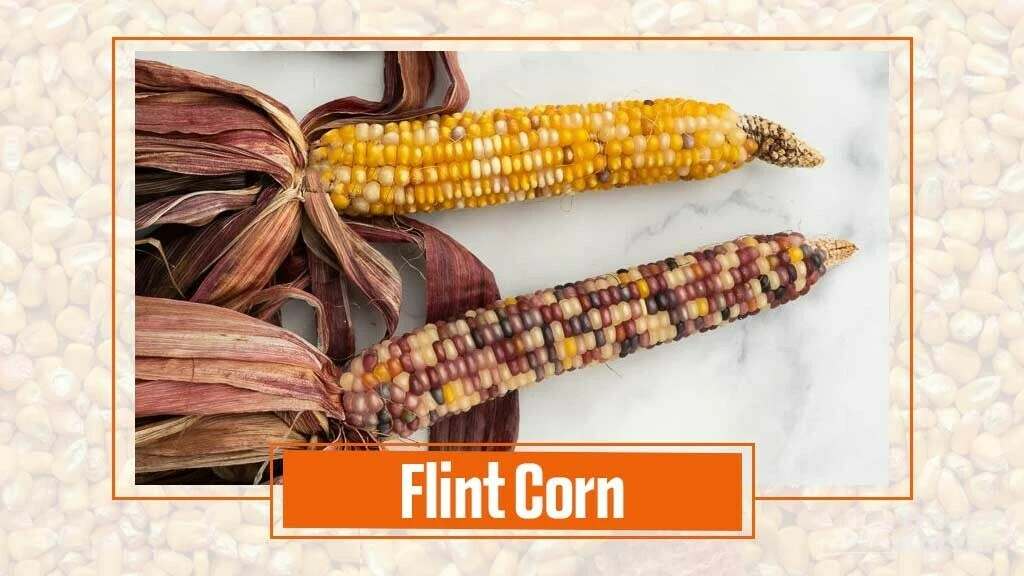
Flint corn, also known as Indian corn, has kernels with a hard outer layer to protect the soft endosperm inside the kernels. The outer layer of its kernels is considered as hard as flint hence; it is named flint corn. They mature earlier and tend to germinate better in temperate zones. When it comes to uses, flint corn is used in the same industries as dent corn for culinary and decorative purposes.
Flour Corn
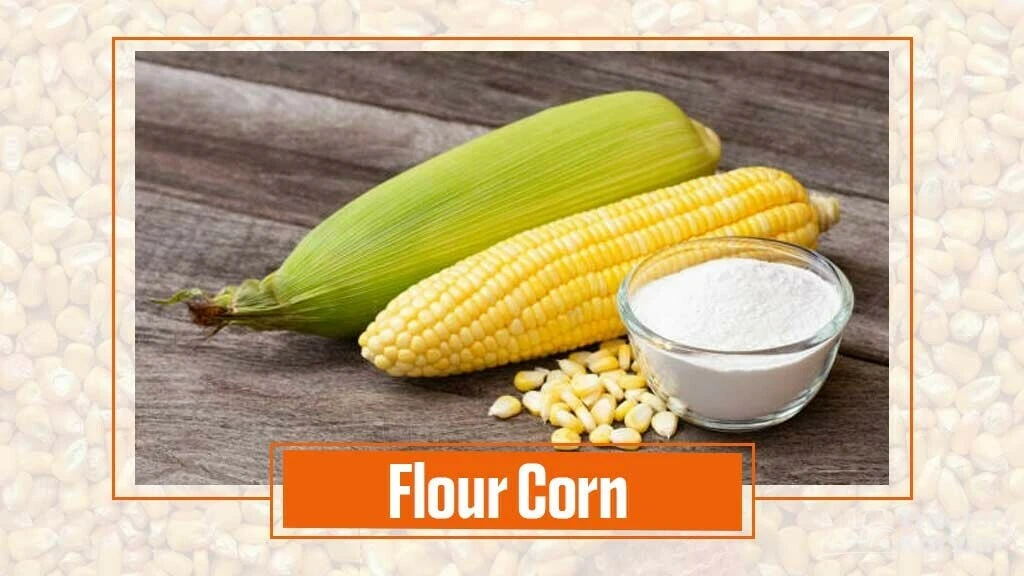
Flour corn is one of the oldest types of corn and was used by Indians and Americans to grind the kernels into flour. It has soft starch throughout the kernel and has no hard layer. Due to its soft texture, flour corn is quite easy to grind and digest. It is highly demanded as a raw material in the food industries making cornmeal, tortillas, and other baked products.
Sweet Corn
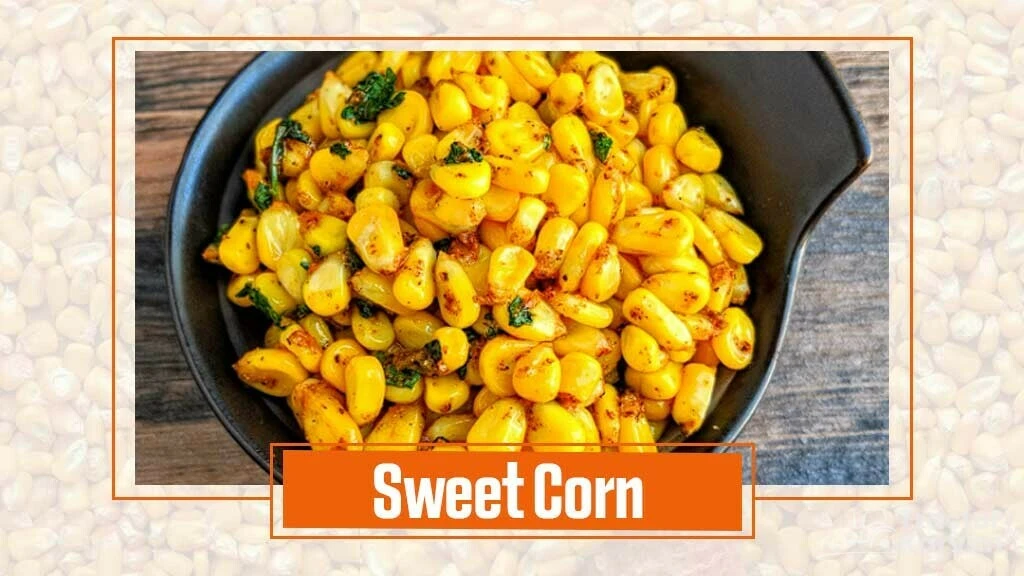
Sweet corn is one of the trending vegetables in different developing and developed countries. The reason behind its growing popularity is its delicious taste and vitamins A and C. The sugary genes present in sweet corn naturally prevent the conversion of sugar into starch. However, to further delay this conversion process, it is advised to keep them in cold storage. It can be eaten in different forms, like raw, steamed, boiled, or cooked. It is popular particularly in the urban areas of the country, as it is used in soups, salads, and other recipes.
Baby Corn
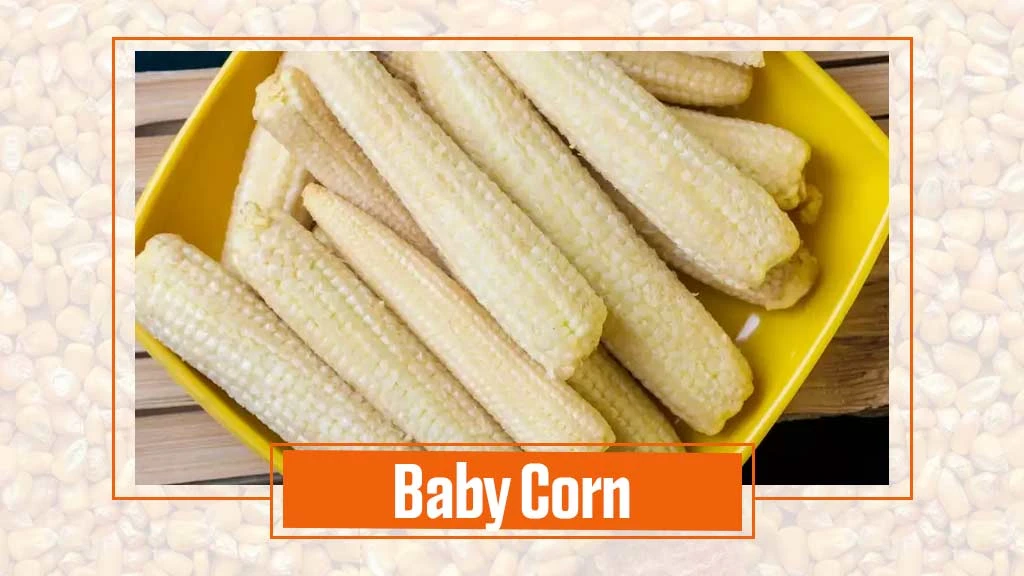
Baby corn, as the name suggests, are young finger-like unfertilized cobs with 1 to 3 centimeters emerged silk. It is highly nutritive as it is a rich source of phosphorus, protein, vitamins, and iron. Baby corn is used in salads, pickles, and different recipes for culinary purposes.
Pop Corn
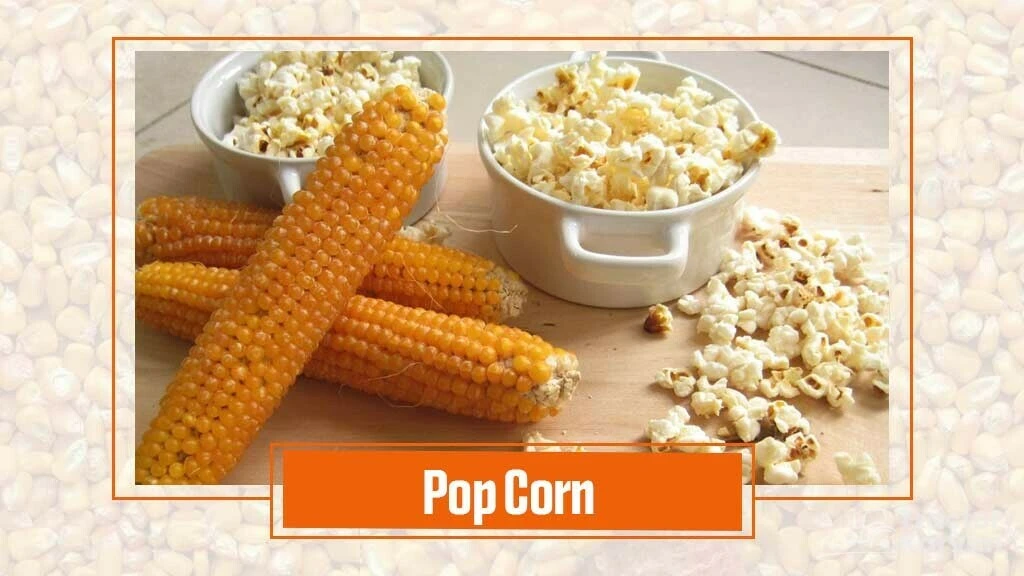
Popcorn is among the oldest surviving varieties of maize. It contains only a small portion of soft starch, with the kernels being either pointed or round. Heating them at 170 degrees Celsius makes them swell, burst, and pop. It is one of the most popular snack items all around the world, mainly because of its light, porous, and crunchy texture.
Waxy Corn

Waxy corn originates from China and is largely used in the USA. Due to its wax-like appearance, it is named as waxy corn. Unlike common corn starch, it is composed entirely of amylopectin starch. Waxy corn is used in the food industry as stabilizer for puddings, sauces, gravies. etc. It is also used in the manufacturing and paper industries.
Quality Protein Maize
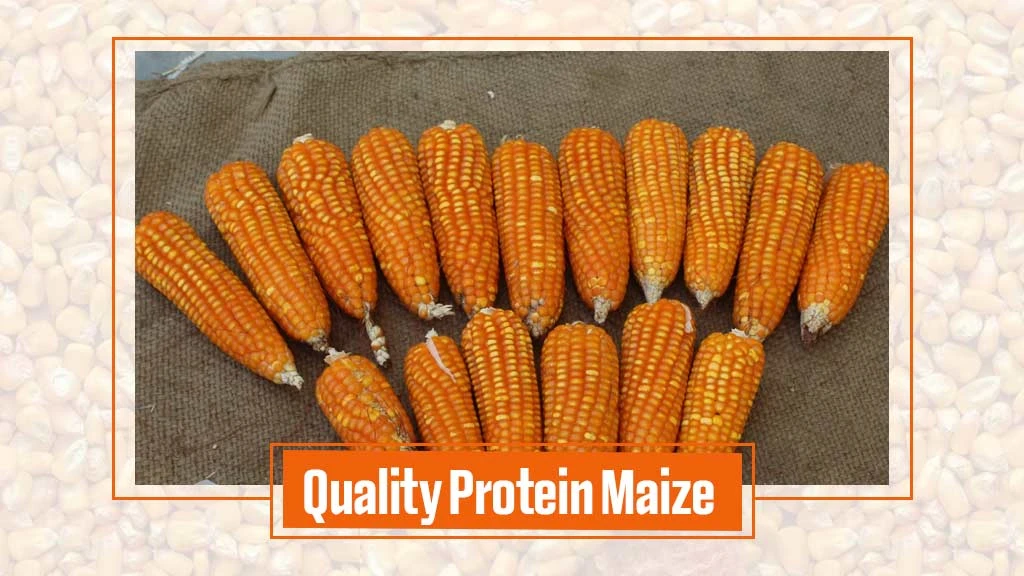
Maize plays a major role in the food and nutritional security of the country, as more than 85% of it is directly utilized for food and fodder purposes. With respect to this, the discovery of the Opaque-2 (O2) and floury-2 (F2) mutants led to the development of Quality Protein Maize or QPM. It consists of a balanced number of amino acids with high amounts of lysine and tryptophan and low amounts of leucine & isoleucine making it nutritionally superior to normal maize. One of the major production requirements is isolation from the normal maize of around 400 meters to prevent any cross-pollination and to maintain its purity. Nine QPM hybrids are developed and released in India for cultivation. Some of the names are HQPM1, HQPM 4, HQPM 5, and HQPM 7. Quality Protein Maize is largely used in animal feed for poultry and cattle farming.
High Oil Corn
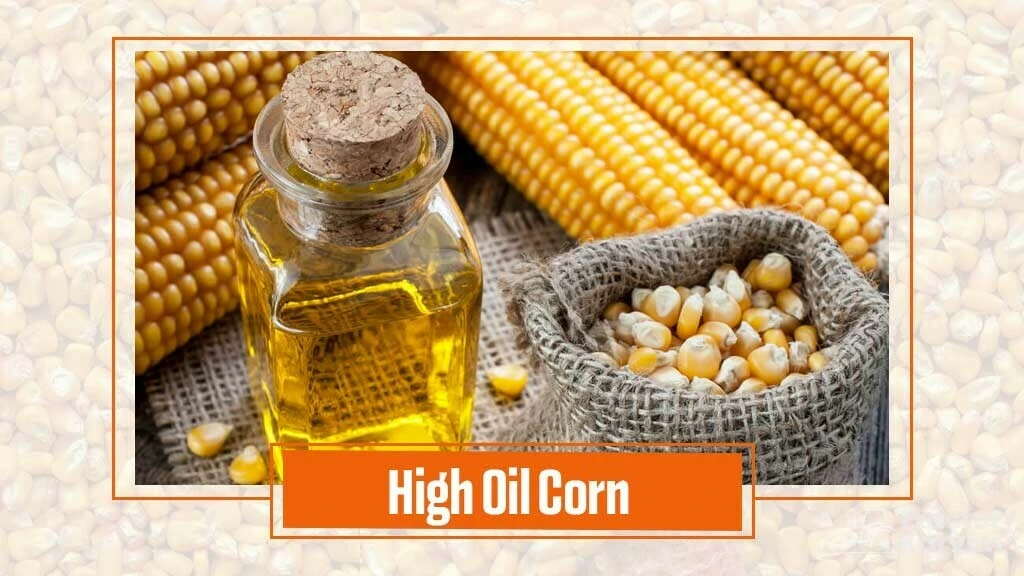
High oil corn, as the name indicates, has kernels with a greater oil content in comparison to normal maize. High oil corn contains 6-7% of oil, whereas the normal maize contains 3-4% of oil. The low content of saturated fatty acids makes corn oil the best alternative for healthy cooking oil. In India, more than 60,000 tons of corn oil is used for various purposes.
Fodder Maize
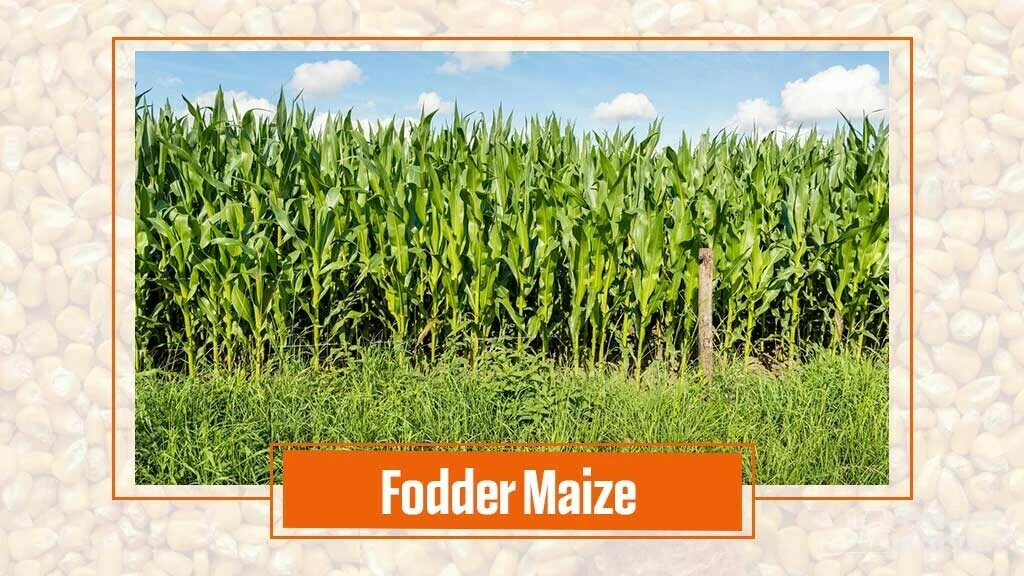
Maize produces a rich and nutritious fodder containing high amounts of carbohydrates and proteins. Fodder crops can be used at any stage of crop growth. A very high seed rate of maize is used to produce tall and leafy fodder for animals. It improves the digestion, growth, and health of animals. It also increases the milk production of milch animals. Moreover, the best maize seed in India is Dekalb 9144 (Bayer) primarily grown for grain production and fodder.
Varieties of maize and their cultivars
|
S. No. |
Corn type |
Cultivars |
|
1. |
Quality Protein Maize |
H*:HQPM 1 & HQPM 5 (all states of India), HQPM 7, Vivek QPM 9 (Peninsular India), C**:Shaktiman 1,2,3 & 4 (Bihar) |
|
2. |
Baby corn |
H*:HM-4, C**: VL Baby Corn 1 |
|
3. |
Sweet corn |
H*:HSC1 for J&K and HP C**:Madhuri, Win orange, Priya |
|
4. |
Pop corn |
C**: Jawahar, Amber, Pearl & VL popcorn |
|
5. |
Fodder |
C**: African tall, J 1006 & Pratap chari-6 |
H*=hybrid and C**=composite
Region-wise Maize High Yielding Varieties in India
The major states that produce maize in India are Karnataka, Madhya Pradesh, Maharashtra, Tamil Nadu and West Bengal. However, maize, being highly adaptable, is cultivated in different regions of India. The table given below recommends the suitable regions for different varieties of maize:
|
Variety Name |
Average Yield |
Recommended Regions |
|
DMRH1301 |
9.0-10.0 |
West Bengal, Madhya Pradesh, Eastern UP, Bihar, Jharkhand, Odisha, Rajasthan, Gujarat, Chhattisgarh |
|
DMRH1308 |
9.5-10.5 |
Madhya Pradesh, Bihar, Rajasthan, Gujarat, Chhattisgarh |
|
DMRH1305 |
6.0-6.5 |
Hill regions of Jammu & Kashmir, Himachal Pradesh, Uttarakhand, northeastern states |
|
IMHB 1539 |
1.3-1.5 (De-husked baby corn) |
Hill regions of northeastern states |
|
IMHB 1532 |
1.5-2.0 (De-husked baby corn) |
Madhya Pradesh, Chhattisgarh, Punjab, Haryana, Delhi, Rajasthan, Gujarat, Uttar Pradesh (western region) |
|
DMRHP1402 |
3.0-3.5 (Kharif); 4.5-5.0 (Rabi, Popcorn) |
Madhya Pradesh, Chhattisgarh, Punjab, Haryana, Delhi, Rajasthan, Gujarat, Uttar Pradesh (western region) |
|
LMQH1 (IMHQPM1530) |
7.5-8.0 |
Northern Hilly Zone (Jammu & Kashmir, Himachal Pradesh, Uttarakhand, northeastern states) |
|
LPCH 3 (IMHP 1540) |
3.5-4.0 (Kharif) |
Various states across India including West Bengal, Bihar, Jharkhand, Uttar Pradesh, Odisha and more |
|
LPCH 2 (IMHP 1535) |
3.0 (Kharif) |
Madhya Pradesh, Chhattisgarh, Rajasthan, Gujarat |
|
IQMH 203 (IIMRQPMH-1705) |
6.3 |
Central Western Zone (Madhya Pradesh, Chhattisgarh, Rajasthan, Gujarat) |
|
PMH1-LP (Low phytic) |
9.0-10.0 |
Northwestern Plains Zone (Punjab, Haryana, Uttar Pradesh, Uttarakhand, Delhi) |
|
IMH 223 |
10.48 |
Punjab, Haryana, Plains of Uttarakhand, Western UP, Delhi |
High-yielding cultivars of maize extend assurance of tremendous profits in India. You can unlock the potential of maize by choosing the appropriate varieties according to your region and by implementing accurate maize farming practices.
Refer to Maize Production in India and get an in-depth insight about the sowing, land preparation, water management, protection, and harvesting details of maize.
Frequently Asked Questions On Exploring Varieties of Maize in India
1. Which state is the largest producer of maize in India?
Karnataka is the largest producer of maize contributing 16.45% to the total production in India.
2. What are the varieties of maize plant?
There are more than 50 varieties of maize; some of them are MM 9344 (DMH 192), Bisco X 5129, DMRH1301, HQPM1, IQMH 203, etc.
3. Which maize is most commonly cultivated in India?
Dent corn is the most commonly cultivated maize in India.
4. Which is the high yielding variety of maize?
DMRH 1308 is the high yielding variety of maize.
5. What is the crop type of maize?
Maize is primarily a kharif crop.





Related Blogs