Battery Sprayer vs Manual Sprayer: Which is Better for Farmers?


Choosing the right spraying machine is crucial to improve your efficiency and achieving better crop protection results. Battery and manual sprayers are two common options available in the market. Each one comes with its own set of benefits. Go through this guide to understand the main differences between a battery sprayer and a manual sprayer and learn how to choose the right one.
Table of Contents
- What is a Manual Sprayer?
- What is a Battery Sprayer?
- Comparing Battery Sprayers and Manual Sprayers
- Battery Sprayer vs Manual Sprayer: Head-to-Head Comparison
- Reasons for Increasing Popularity of Battery Sprayers
- Battery Sprayer vs Manual Sprayer: Which One Should You Buy?
What is a Manual Sprayer?
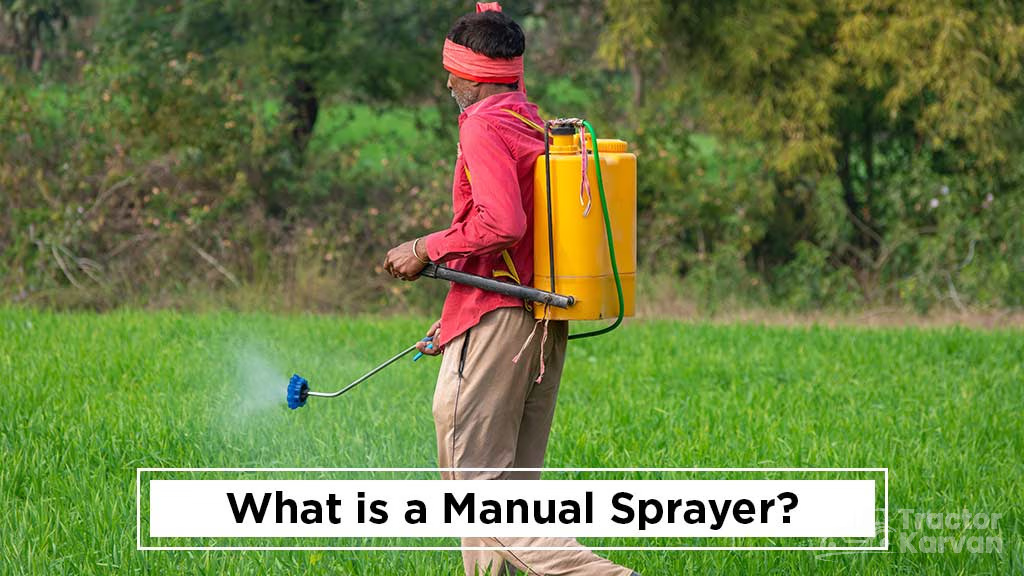
A manual sprayer is a hand-operated sprayer used to apply fertilizers, pesticides, and other chemicals by pumping a handle or lever continuously. The hand pumping action forms pressure inside the tank to push the chemical out through the nozzle. What has made them a preferred choice for farmers for a long time is their affordability and simplicity. Without the need for charging or electricity, they are best suited for small farms and gardens.
What is a Battery Sprayer?
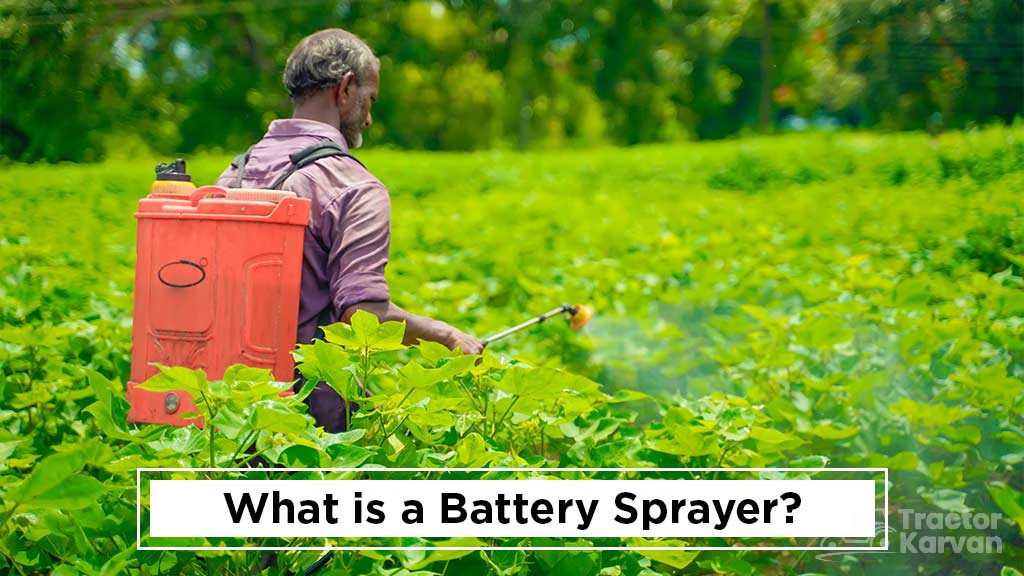
As the name suggests, a battery sprayer has a rechargeable battery to power the pump, which maintains consistent pressure to spray chemicals. It means hand pumping is not required. With just the push of a button, spraying starts- it's that convenient. These sprayers deliver a steady spray and require less physical effort. So, you can use them on large farms for a long time without getting tired.
Comparing Battery Sprayers and Manual Sprayers
While both spraying devices have key agricultural uses, they differ across various parameters.
Ease of Use
Manual sprayers can become exhausting during long working hours as they need continuous hand pumping. It becomes even more challenging if you need to cover a large area. On the other hand, battery sprayers offer hassle-free spraying with just a press of a button. You can easily cover larger areas with less effort compared to a manual sprayer.
Time Efficiency
As manual pumping is more physically demanding, fatigue can easily slow down your pace. During large-scale spraying operations, manual sprayers can take more time to cover a large area. Without constant physical pumping effort, you can just focus on spraying the targeted area with battery sprayers. They cut down work hours by allowing faster movement across fields.
Efficiency & Coverage
A manual sprayer usually delivers an inconsistent spray, because its pressure fluctuates constantly based on your pumping frequency and applied force. This results in uneven coverage and increases chemical wastage. Battery sprayers deliver steady pressure during use, providing a more even spray. Without pressure fluctuation, you get uniform coverage across the field and reduced chemical wastage.
Maintenance
Manual sprayers have fewer parts with a simple design. This is why they demand lower maintenance. Just a routine maintenance of their nozzles, seals, and tanks is required and you are good to go. However, battery sprayers are more complicated than that as more electrical components are involved. They need to be regularly charged for uninterrupted operations. Also, their batteries, charging systems, and wiring demand constant inspection.
Suitability
As manual sprayers are more labour- and time-intensive, they are best suited for small-scale spraying applications, including small farms, gardens, and lawns. You should consider manual sprayers for occasional use.
Battery Sprayers are ideal for regular spray applications as they demand less time and effort. They can easily cover more ground, making them suitable for larger fields and gardens.
Upfront Cost
Manual sprayers are affordable machines, which fits the budget of most small farmers with limited budget. Battery sprayers are relatively more expensive as they include more electronic and mechanical parts. Even though they have higher initial cost, they can result in more saving by reducing labour costs.
Battery Sprayer vs Manual Sprayer: Head-to-Head Comparison
|
Battery Sprayer |
Manual Sprayer |
|
Lower physical effort without constant pumping |
More physical effort with continuous hand pumping |
|
Even spray with steady pressure |
Uneven spray with pressure fluctuations |
|
Uniform field coverage |
Inconsistent field coverage |
|
Lower chemical wastage |
Higher chemical wastage |
|
Less time intensive |
More time intensive |
|
Higher initial cost |
Lower Initial cost |
|
Ideal for large farms |
Best suited for small fields and gardens |
Reasons for Increasing Popularity of Battery Sprayers
Battery sprayers are gaining popularity to become a preferred choice for modern spraying applications. With reduced physical effort, you can easily cover a large area, while maintaining a steady spray. It means fertilizers and pesticides get uniformly sprayed across the field, which also minimizes chemical wastage. Uniform spraying can also ensure improved cop protection results. For these reasons, farmers are increasingly switching to battery sprayers.
Battery Sprayer vs Manual Sprayer: Which One Should You Buy?
Choosing between a battery and manual sprayer depends on a number of factors, including your personal preferences, budget, and spraying needs.
- Field size: If you need to cover a large area, consider a battery sprayer. Choose a manual sprayer for covering small fields and gardens.
- Rate of Usage: For regular and heavy use, a battery sprayer will make more sense. A manual sprayer is good for occasional use.
- Cost: If you have a limited budget and just want an affordable machine for light use, go with a manual sprayer.
- Maintenance: If you want a basic sprayer with lower maintenance needs, choose a manual one. Consider a battery sprayer only if you are ready to maintain its battery and charging system.
- Comfort: If comfort is your priority, just pick a battery sprayer. Manual sprayers involve continuous pumping, which makes the spraying highly exhausting.
Both sprayers come with their own distinct advantages. Just evaluate your spraying needs and budget to choose a sprayer that can last a long time. Investing in a right battery or manual sprayer will go a long way in making your farming more productive. For information on a boom sprayer that can effectively work with your mini tractor, explore Tractorkarvan now. Also, get complete details about implement loans to make an informed decision.
Frequently Asked Questions On Battery Sprayer vs Manual Sprayer
1. What is the main difference between a battery and manual sprayer?
A manual sprayer needs continuous hand pumping to maintain pressure and spray chemicals. On the other hand, a battery sprayer uses a rechargeable battery to maintain steady pressure for spraying.
2. Should I choose manual or battery sprayer for large farms?
A battery sprayer is more suitable for large farms as it requires less physical effort, while covering more area.
3. Which sprayer is more affordable: manual or battery sprayer?
Usually, a manual sprayer is cheaper than a battery one because of its simple design and fewer components.
4. Which sprayer give better coverage: manual or battery sprayer?
Battery sprayers can ensure better coverage as they deliver consistent pressure and uniform spray.
5. Are battery sprayers better than manual sprayers?
No one type of sprayer is best for all. A manual sprayer is budget-friendly, fit for light use. A battery sprayer is more expensive, ideal for heavy, regular use.




Related Blogs