Cultivator vs Rotavator: Key Differences, Applications, Benefits & How to Choose the Right One


Choosing the right agricultural tool is important to make field work easier, faster, and more efficient. When it comes to land preparation, cultivators and rotavators are two commonly used farm implements. But many farmers don’t know that they both serve different purposes. Understanding the difference between them can help farmers make an informed decision and achieve better results.
Table of Contents
- What is a Rotavator?
- What is a Cultivator?
- Difference Between Rotavator and Cultivator
- Benefits of Using a Rotavator in Agriculture
- Benefits of Using a Cultivator in Agriculture
- Cultivator or Rotavator: Which One to Choose?
- Conclusion
What is a Rotavator?
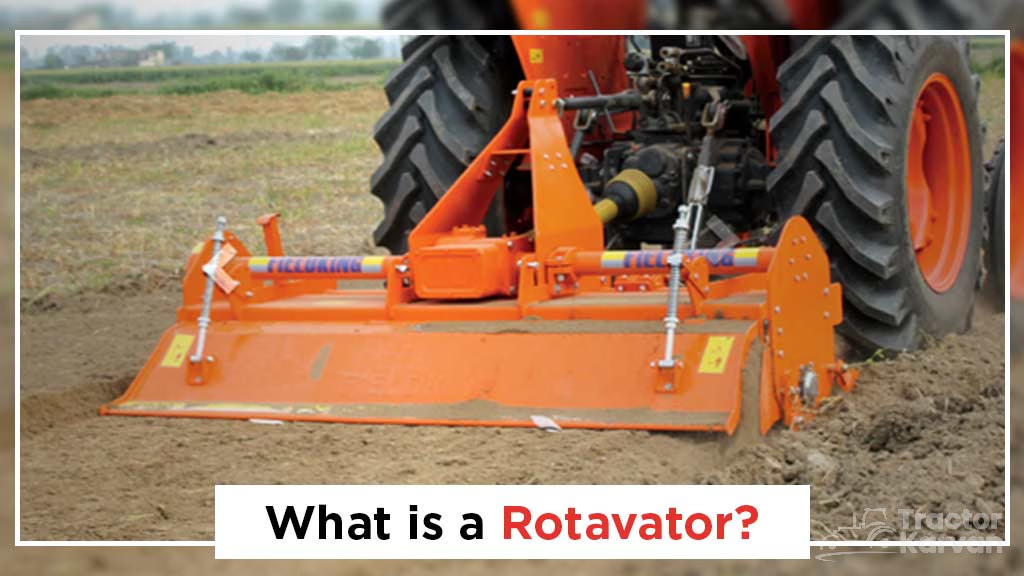
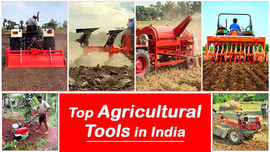
A rotavator is an agricultural implement designed to cut, mix, and pulverise soil using PTO-powered rotating blades. It helps break soil clods and prepare a fine seedbed for planting. Its working depth depends on the machine design and soil conditions.
What is a Cultivator?
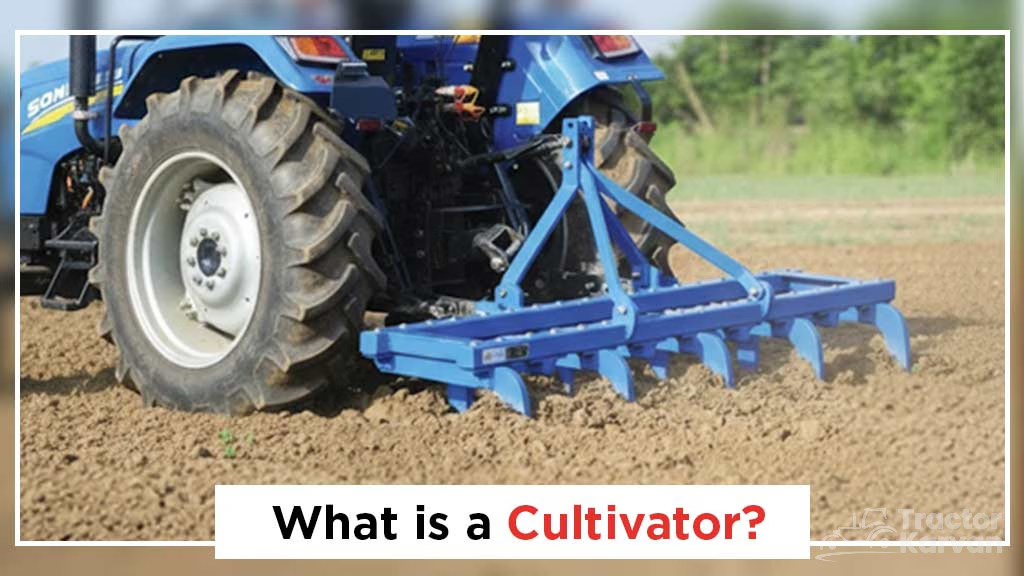
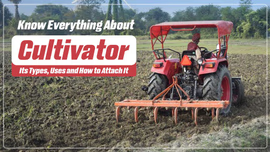
A cultivator is an agricultural implement used for loosening soil, controlling weeds, and preparing fields for planting. It uses tines or shovels to break up the soil and can perform both shallow and deeper cultivation, depending on its design.
Difference Between Rotavator and Cultivator
|
Feature |
Rotavator |
Cultivator |
|
Function |
Rotavators are used for tougher operations like deep tillage and churning. |
Cultivators are used for lighter operations, such as shallow tillage and weed control. |
|
Soil Type |
Suitable for hard or clay soil. |
Used in different soil types depending on their design, tine configuration, and operating depth. |
|
Weed Control |
Offers partial weed control during soil turning. |
Can effectively control weeds between crop rows. |
|
Fuel & Power |
Requires more power and fuel. |
Requires less power and is more energy efficient. |
|
Residue Management |
Rotavator is a good choice for managing crop residue. |
Cultivator is less effective in managing crop residue. |
|
Best For |
Rotavators are suitable for land preparation and crop residue management. |
Cultivators are ideal for preparing soil for sowing and post-germination weeding. |
Benefits of Using a Rotavator in Agriculture
Below are the key advantages of using a rotavator in agriculture:
- Rotavator helps speed up land preparation.
- It helps reduce labour costs.
- This implement prepares a smooth & fine seedbed for planting.
- Rotavator helps improve crop residue management.
- It allows for better soil pulverization.
- Using a rotavator reduces the number of field passes.
Benefits of Using a Cultivator in Agriculture
Here are the main advantages of using a cultivator in agriculture:
- Cultivator can help improve soil aeration.
- It also helps manage weeds.
- This implement is easy to use and maintain.
- Cultivator is ideal for different stages of field preparation.
- It works well for loosening up the soil.
- Cultivators also break surface compaction and improve water retention.
Cultivator or Rotavator: Which One to Choose?
Choosing between a cultivator and a rotavator depends on different factors like soil condition, crop type, and farm size. And here’s how to choose the right one for yourself:
Soil Type & Condition
A cultivator is best for soft and loose soil. It is mainly used in areas where light tillage or weed control is required. This implement is also a great option for maintaining soil structure.
A rotavator, on other hand, is ideal for hard or compacted soils that needs intensive pulverization. Due to deeper tillage, it is ideal for working with tough soil or breaking up compacted layers.
Tillage Depth
A cultivator works best for shallow tillage around 3 to 6 inches deep. Although, they can work considerably deeper, depending on their construction. This makes it a suitable choice for tasks like weeding or topsoil aeration. On the other hand, a rotavator is built for deeper tillage. However, working depth varies with blade design, soil conditions, and machine settings. This makes it ideal for breaking up hard clumps of dirt and preparing the soil before planting crops.
Crop Type & Usage
Cultivator is used for post planting work like maintaining soil structure between crop rows. Moreover, it's used for secondary tillage like breaking up soil after ploughing or mixing fertilizers.
While rotavator is great for preparing the soil before planting, especially when you need to thoroughly mix and turn it over. Hence, it’s effective when preparing new fields or loosening soil before planting deep-rooted crops.
Farm Size & Tillage Requirements
Cultivators are suitable for secondary tillage in small-to-medium sized farms. They are easy to handle and work well for row crops like vegetables and corn.
While rotavator is ideal for small, medium and large farms that require intensive tillage. It can handle tough tasks and more demanding soil conditions.
Work Efficiency
Cultivator usually works faster and uses less fuel, which makes it a budget-friendly option for light field work and routine crop maintenance. Farmers can frequently use this implement during the crop-growing season.
While rotavator takes more time and consumes more fuel because it works deeper into the soil. However, it provides better soil preparation for crops that need thorough tilling, like grains and root vegetables.
Conclusion
Both cultivators and rotavators play an important role in shaping agriculture. But the right choice depends on your farm size, soil condition, crop type, etc. A cultivator is more suitable for tasks like light tillage, weed control, & regular soil maintenance. Whereas a rotavator excels in deep tillage, breaking hard soil, and preparing land for planting.
So, assess your soil conditions and farming requirements before making a choice. Choosing the right implement will help save time and boost productivity. Ultimately, the best tool is the one that fits your requirements and helps you achieve better results.
Frequently Asked Questions On Cultivator vs Rotavator
1. Is a rotavator the same as a cultivator?
No, both are different. A rotavator is designed to cut, mix, and pulverise soil using PTO-powered rotating blades, while a cultivator used for loosening soil, controlling weeds, and preparing fields for planting.
2. Can I use cultivator as a tiller?
Can I use cultivator as a tiller?
3. Will a cultivator remove weeds?
Yes, a cultivator helps remove & control weeds by loosening the soil and uprooting weeds, especially between crop rows.
4. Which is better for hard soil, cultivator or rotavator?
A rotavator is a better choice for hard and compact soil because its rotating blades dig deeper and make it ready for planting.
5. Rotavator or cultivator, which one is better for routine crop maintenance?
Cultivator is a more suitable choice between the two for regular crop maintenance.





Related Blogs