Pineapple Farming in India - From Planting to Harvesting


Pineapple fruits have a spiny texture but are delicious and are known for their rich and sweet taste. It is one of the most important tropical fruits grown all over the world. India is the 5th largest producer of pineapple with many varieties cultivated in the country. In India, a pineapple plant field has the capability to flourish in most of the climatic conditions except for severe frost and drought. However, different temperature variations of the different regions affect the quality of the fruit. This blog explores all the aspects of pineapple cultivation in India.
Table of Contents
- An Overview of Pineapple Crop
- Recent Initiatives for Pineapples in India
- Popular Varieties of Pineapple Cultivated in India
- Which is the Best Season for Pineapple in India?
- What is the Cultivation Process of Pineapple in India?
- Pineapple Farming – A Way Forward
An Overview of Pineapple Crop
India has an annual output of 1.2 million tonnes of pineapples. Majorly pineapple production in India is grown in Assam, West Bengal, Kerala and Karnataka. Sometimes referred to as a pineapple tree, this fruit can actually be found on a low-growing herbaceous plant. A full grown pineapple tree in a pineapple plantation is the result of good pineapple tree care that includes proper drainage, weeding, fertilization, etc.
Pineapple, scientifically known as Ananas comosus, belongs to the family of Bromeliaceae. This fruit has a spiky and rough exterior but has vibrant and juicy flesh inside. Pineapple is known for its sweet, tangy taste, and nutritional values. It is packed with balanced nutrients like minerals, vitamins, enzymes, and dietary fiber.
Pineapple is a good source of Vitamin A, B, C along with calcium, magnesium, potassium, and iron. It consists of an enzyme called bromelain which is known for aiding digestion and reducing inflammation. It has minimal fat and sodium with no-cholesterol. An important thing to learn about pineapple is that it can be consumed raw or cooked.
Recent Initiatives for Pineapples in India
On 27 May 2026, the Union Minister for the Development of Northeastern Region (MDoNER), Shri Jyotiraditya M. Scindia and the Chief Minister of Tripura, launched the “Mission Queen Pineapple” initiative for pineapple cultivation and value chain development in the State of Tripura with an allocated budget of ₹ 236 crores.
Popular Varieties of Pineapple Cultivated in India
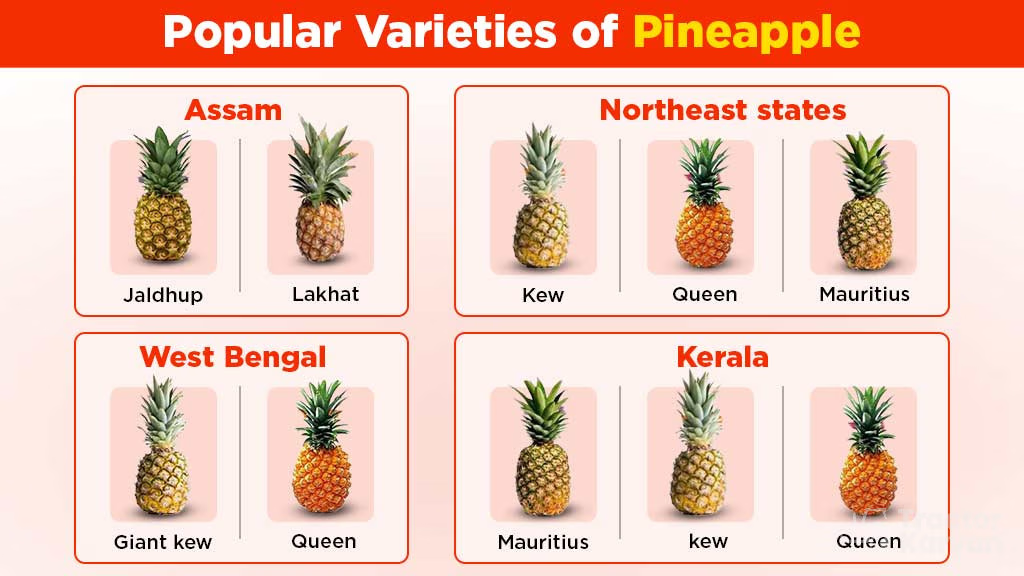
Queen, Spanish, Smooth Cayenne and Kew are the popular varieties of pineapple in India. Let’s have a look at some of the major pineapple varieties in India:
|
Popular Pineapple Varieties |
States |
|
Kew, Queen, Mauritius |
Assam and other Northeastern states |
|
Giant kew, Queen |
West Bengal |
|
Maritius, Kew, Queen |
Kerala |
Which is the Best Season for Pineapple in India?
The best season of pineapple in India is between July and September. Pineapple flowers between February and April. The off-season pineapple crop can bear fruit between September and December.
What is the Cultivation Process of Pineapple in India?
Climate & soil requirements, land preparation, planting method, irrigation and more are some of the major steps in the pineapple cultivation process. If you are wondering how pineapples grow, let’s understand each step in detail:
Climate & Soil Requirements
Pineapple grows well on humid hill slopes and is ideal with sandy and loamy soils rich in humus. The pineapple plant requires proper drainage to prevent soil from getting waterlogged because it is sensitive to waterlogging. A soil pH of 5.5-7.0 is one of the basic soil requirements. The optimum temperature for pineapple farming lies between 22°C to 32°C for normal growth.
Land Preparation
The field is supposed to be well ploughed and made to fine tilth. Based on the nature of land, trenches of convenient length, width about 90 cm and 15-30 cm depth should be prepared. The ideal planting distance between the two rows lies between 30 to 60 cm. The ideal time for planting the pineapple is around 12 to 15 months ahead of the flowering season.
Planting Methods
The pineapple plants are usually propagated using vegetative planting material. Pineapple propagation is mainly done with the help of suckers, slips, or crowns. Amongst the three pineapple suckers and slips are preferred over crowns because they flower earlier than crowns. The 350g uniformly sized slips are used for planting whereas the suckers with a spacing of 90x60x30 cm are planted in trenches. Pineapple seeds are very rarely used commercially to grow pineapples.
Irrigation
The pineapple cultivation is mostly performed under the rainfed conditions. In case of scarce rainfall and hot weather, irrigation is required to be done once in 20-25 days. The irrigation method preferred for pineapple farming is drip irrigation as it delivers water directly to the base of every plant with minimal wastage. Irrigation also aids in off-season plantation.
Fertilizer and Nutrient Management
Pineapple is a shallow feeder which highly requires nitrogen (N), phosphorus (P), and potassium (K) as primary nutrients. It also requires secondary and micronutrients like magnesium (Mg) and boron (B). The dose of N, P2O5 and K2O at 12, 4, and 12 g respectively per plant every year is considered ideal.
Pest and Diseases Management
The diseases of pineapples are usually associated with bacteria, viruses, fungi, and pests. They damage the growing plant as well as the fruit before and post harvesting. Some of its diseases are Phytophthora root rot, Pineapple mealybugs, green fruit rot, Base rot Fusariosis, etc. All the pests can be controlled by their natural enemies and repellents or prevented by insecticidal solutions. Additionally, agricultural practices like crop rotation, mulching, and weed removal should be performed from time to time to prevent the growth of pests or diseases.
Harvesting and Post Harvesting Management
The pineapples plants start to flower after 10 to 12 months of planting, and their fruits mature post 15 to 18 months of planting for harvesting. However, the overall pineapple growing time depends on the variety, planting material, time, and other conditions. Mostly, pineapple harvest time also varies but usually are not harvested till they develop a golden yellow color. Also, the recent use of mechanical methods for harvesting has reduced the damage to fruits and leaves.
Pineapple Farming - A Way Forward
Pineapple farming in India is a highly lucrative business, but growing this tropical fruit requires patience. Once done, it will give you amazing returns. Also, the processed pineapple industry is growing rapidly, so waste management from these processing industries should be promoted. It can be utilized for producing methane, animal feed, phenolic compounds, and bromelain. Additionally, pineapple farming in India does not have a standard procedure, and less emphasis is given to organic farming. Concluding the blog, we can say that with proper land preparation and drainage, and consistent weeding, farmers can boost this business.
Frequently Asked Questions On Pineapple Farming in India
1. How long does a pineapple take to grow?
Pineapple fruits become ready 15-18 months after planting, but it depends on the variety.
2. Is pineapple farming profitable in India?
Yes, pineapple farming is a lucrative and profitable business in India, as it yields high returns.
3. How many times will one pineapple plant produce fruit?
A pineapple plant will usually produce one fruit per stem in its main lifecycle.
4. What is the lifespan of a pineapple plant?
The lifespan of a pineapple is two to three years.
5. When was pineapple cultivation introduced in India?
Pineapple cultivation in India was introduced by Portuguese in 1548 AD.
6. Do pineapples get infected by pests?
Usually, pineapples are pest-free, but mealy bugs and scale insects can cause infestation in sporadic cases.






Related Blogs