Top 10 Government Schemes for Agriculture in India in 2026


Government of India has been launching various agriculture related schemes from time to time. The aim of these schemes is to boost farm productivity and increase the welfare of farmers.
Table of Contents
- Introduction
- Pradhan Mantri Krishi Sinchayee Yojana
- Agriculture Infrastructure Fund
- National Beekeeping and Honey Mission
- Soil Health Card Scheme
- Paramparagat Krishi Vikas Yojana
- Sub Mission on Agriculture Mechanisation
- National Mission on Edible Oils-Oil Palm
- National Agriculture Market
- Mission for Integrated Development of Horticulture
- Formation and Promotion of FPOs
Introduction
Indian agriculture is a gamble with the South-west Monsoon. A bounty rainfall means, bounty agricultural production, whereas a dry spell of rainfall means less agricultural production. Further, the impact in terms of price and production volatility varies across the length and breadth of the country.
Government of India has launched different schemes targeting varied sub-sectors of Indian agriculture. The aim of these schemes is to boost agriculture production, arrest the price volatility, and double the income of farmers. Let us see each scheme and their key features in the sections below.
Pradhan Mantri Krishi Sinchayee Yojana (PMKSY)
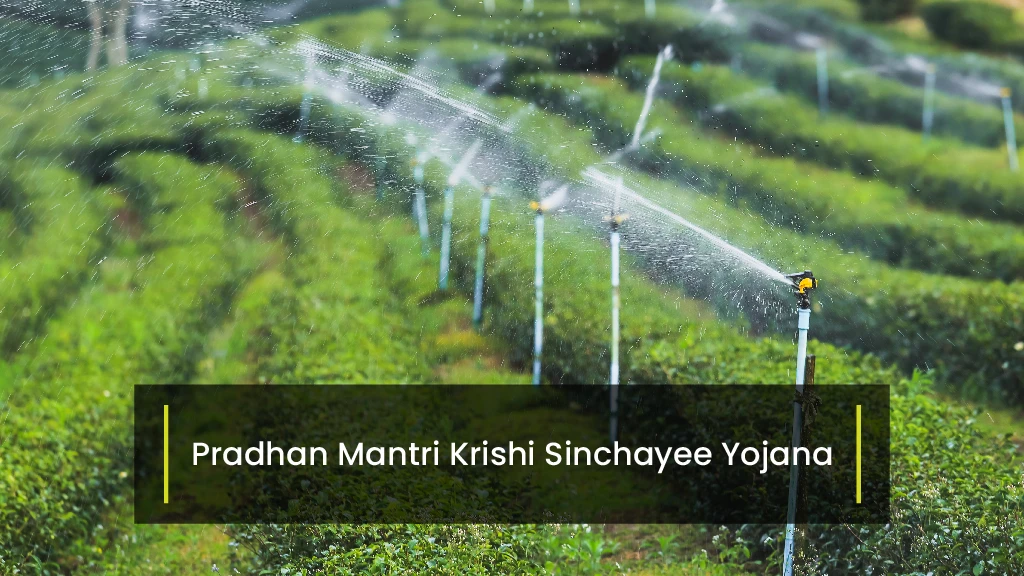
The Indian government launched the Pradhan Mantri Krishi Sinchayee Yojana (PMKSY) on 1 July 2015 with the motto of ‘Har Khet Ko Paani’. The scheme envisages to provide access to all farmers with some means of protective irrigation facilities to produce ‘per drop more crop’.
Key features of the PMKSY are:
- It goes beyond merely establishing dependable irrigation sources like lift irrigation system and ridge and furrow irrigation method.
- It seeks to conserve water and recharge ground water by harnessing rainwater through ‘Jal Sinchan’ (Water Distribution) and ‘Jal Sanchay’ (Water Conservation).
- It aims to reduce wastage of water resources and increase the availability of water through improving on-farm water use efficiency.
- It also aims to explore the feasibility of reusing treated municipal waste water for peri-urban agriculture.
Agriculture Infrastructure Fund (AIF)
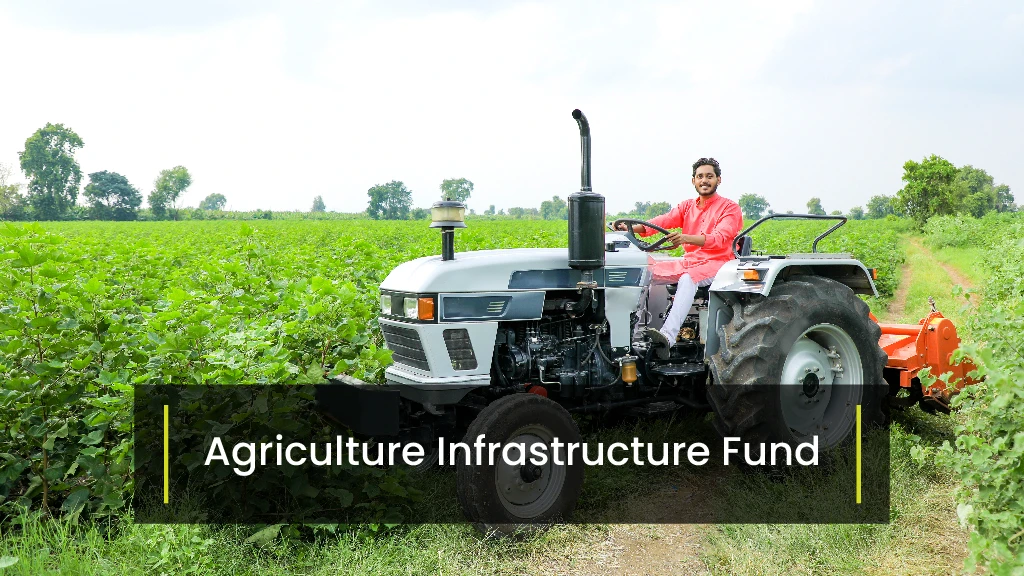
The AIF scheme was launched as part of Atma Nirbhar Bharat package in 2020 with a corpus of INR 1 lakh crore spread over a period of 10 years.
AIF is a debt financing facility that provides credit guarantee support and interest subvention for investment in in post-harvest management and community farming assets.
The key features of the AIF are:
- It aims to bridge the existing infrastructural gaps and mobilise investment in the agriculture infrastructure.
- Under the scheme, banks and financial institutions are expected to provide loans amounting to INR 1 lakh crore, with an attractive interest subvention of 3% per annum.
- It also provides credit guarantee coverage through the Credit Guarantee Fund Trust for Micro and Small Enterprises (CGTMSE) for amounts up to INR 2 crores.
As of 31 December 2023, 4,912 projects worth INR 33.209 crore have been sanctioned.
National Beekeeping and Honey Mission (NBHM)
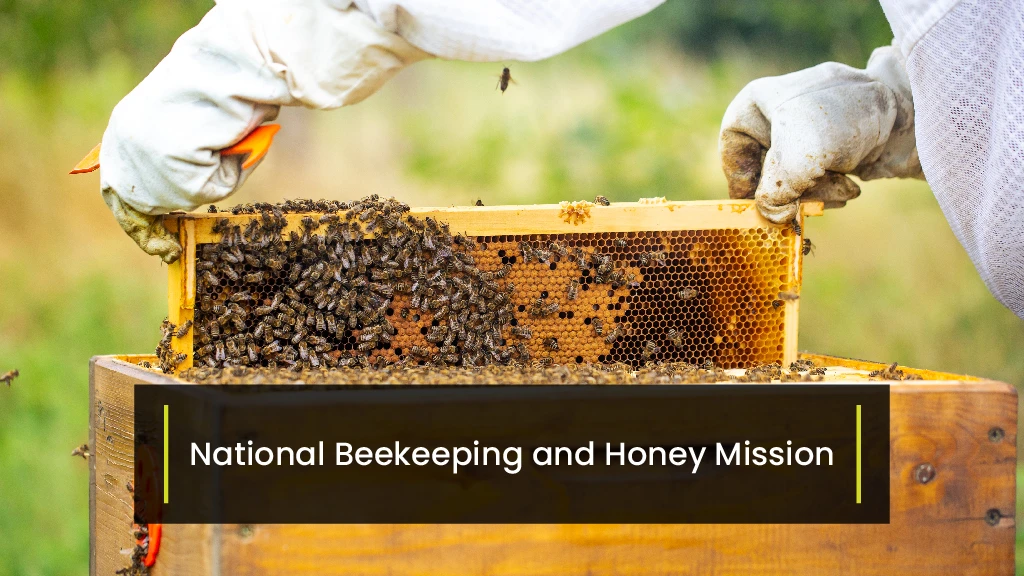
The National Beekeeping and Honey Mission (NBHM) was launched as a Central Sector Scheme under the Atma Nirbhar Bharat Abhiyan. It aims to promote scientific beekeeping as a supplementary income source for farmers.
The key features of the scheme are:
- It seeks to achieve the goal of Sweet Revolution in two years.
- It provides training and financial assistance to the farmers to start and maintain beekeeping units.
- It also aims to boost crop productivity and generates additional income for farmers through the sale of honey and related products.
So far, 160 projects amounting to INR 202 crores have been sanctioned under the Mission Mode -I, II and III.
Soil Health Card Scheme
The Ministry of Agriculture launched the Soil Health Card Scheme in 2015. It seeks to assist the State Governments in issuing Soil Health Cards to all the farmers in the country.
Soil health cards contain vital details about 12 soil-specific nutrients along with recommendations for appropriate fertilizers, and crop-specific guidance.
The key features of the scheme are:
- It provides comprehensive information about the nutrient status of the soil.
- It gives recommendation about the right dosages of nutrients to be given to enhance the soil health and fertility.
- Under the scheme, a decentralised system of soil testing has been rolled out to develop a nation-wide soil fertility map on a GIS platform.
The government has decided to collect 5 crore soil samples across the country during year 2023-24 to 2026-26 to develop a soil fertility map.
Paramparagat Krishi Vikas Yojana (PKVY)
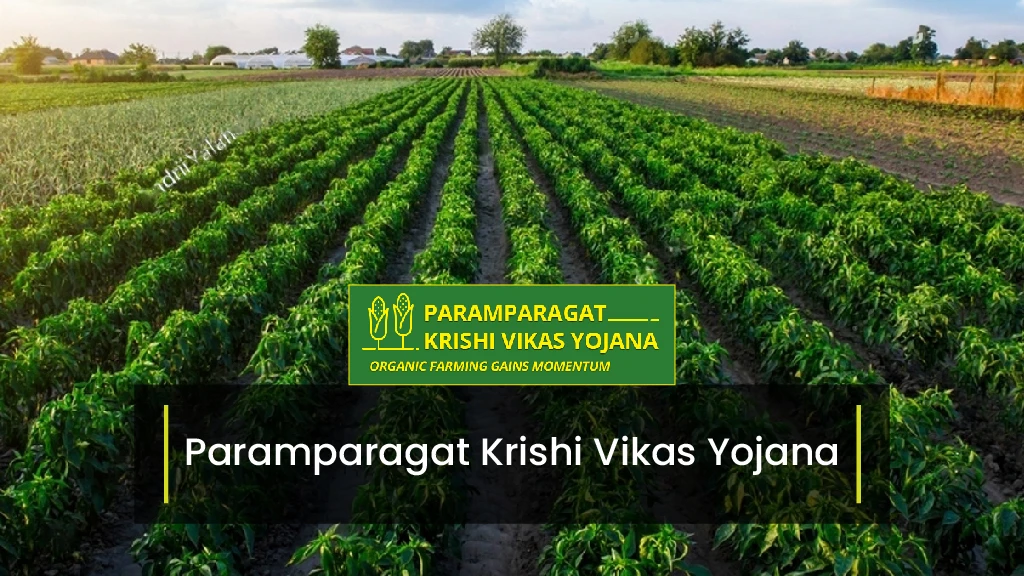
The government launched the Paramparagat Krishi Vikas Yojana (PKVY) in 2015 as a Centrally Sponsored Scheme. The scheme aims to boost organic farming in the country. It is an extended component of National Mission on Sustainable Agriculture (NMSA) and Soil Health Management (SHM).
The key features of the scheme are:
- It aims to produce agriculture products free from pesticides and chemical fertilisers through the adoption of low-cost and eco-friendly technologies.
- The initiative will help improve soil health and the net income of farmers and ensure safe food for consumers.
- Under the scheme, an assistance of INR 31,500 per hectare is given to states. Out of this, INR 15,000 is provided as incentive to farmers through Direct Benefit Transfer (DBT) scheme.
It is implemented in a cluster mode with unit cluster size of 20 hectares and a group should have minimum 20 farmers to avail the benefit under the scheme.
Sub Mission on Agriculture Mechanisation (SMAM)
The Indian government is implementing the Sub Mission on Agriculture Mechanization (SMAM) with effect from April 2014. The aim is to accelerate farm mechanisation and make it inclusive through giving subsidies on implements.
The key features of the scheme are:
- It aims to increase the reach of farm mechanisation to small and marginal farmers and to the regions where the penetration is low.
- It seeks to promote ‘Custom Hiring Centres’ to offset the adverse economies of scale due to high cost of individual ownership and small landholding.
- It aims to create hubs for hi-tech and high value farm implements and create awareness through capacity building and demonstration.
So far, INR 6748.78 crore have been released and around 16 lakhs farm machinery and equipment have been distributed.
National Mission on Edible Oils-Oil Palm (NMEO-OP)
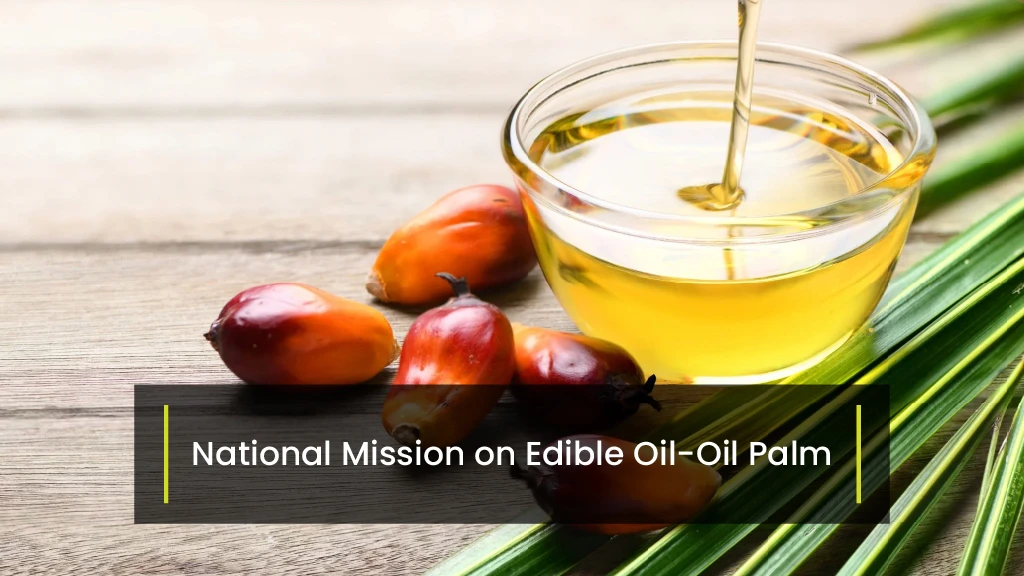
The Government of India launched the National Mission on Edible Oil-Oil Palm (NMEO-OP) in August 2021 as a Centrally Sponsored Scheme. The mission aims to promote oil palm cultivation and make India self-sufficient in edible oils.
The key features of the scheme are:
- To expand palm oil cultivation by an additional 6.5 lakh hectares by the year 2026-26.
- To increase the oil palm cultivation area to 10 lakh hectares by 2026-26 and further to 16.7 lakh hectares by 2029-30.
- The scheme special focus is on Andaman & Nicobar Islands and North-Eastern States.
National Agriculture Market (e-NAM)
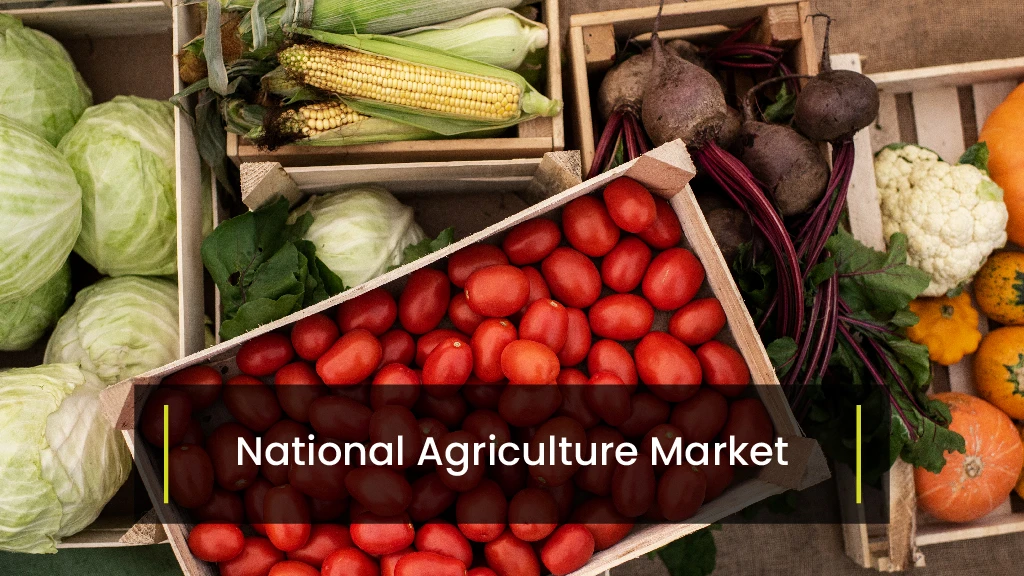
The National Agriculture Market, or e-NAM, is an online platform that connects agricultural markets across the country. It was launched on 14 April 2016, as a Central Sector Scheme.
The key features of the scheme are:
- The platform enables farmers to sell their produce in a transparent and competitive environment in 585 regulated markets throughout the country.
- e-NAM reduces the role of middlemen, ensuring that farmers receive fair prices for their crops.
- This scheme promotes digitalisation in agriculture, enhancing market access for farmers and reducing post-harvest losses.
Mission for Integrated Development of Horticulture (MIDH)
The MIDH Scheme was launched as a Centrally Sponsored Scheme during 2014-15. It aims to promote the holistic growth of horticulture sector. The sector covers vegetables, fruits, spices, flowers, and Bamboo, among others.
The key features of the scheme:
- It seeks to promote infrastructure development in plantation.
- It seeks to establish new orchards and gardens for vegetables, fruits, flowers, and spices.
- It seeks to rejuvenate old and unproductive orchards.
- It also aims to promote organic farming and protected cultivation.
Formation and Promotion of FPOs
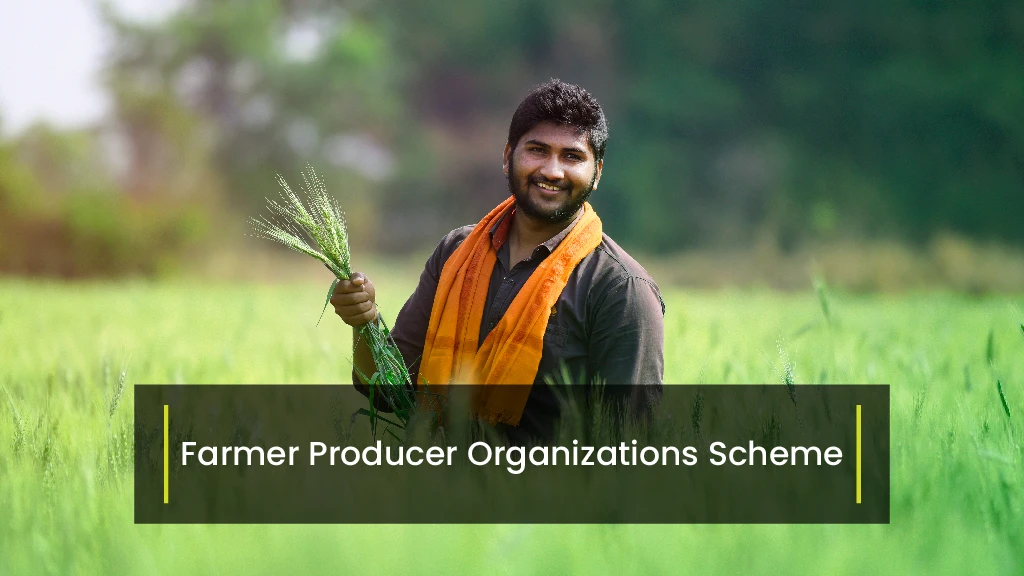
The Formation and Promotion of 10,000 Farmer Producer Organizations (FPOs) was launched as a Central Sector Scheme by the Government in India.
The key features of the scheme are:
- To establish and promote 10,000 new FPOs by the fiscal year 2027-28, with a total budget allocation of INR 6,865 crore.
- To create FPOs through two primary approaches: the Produce Cluster Area approach and the specialized commodity-based approach.
- The formation of FPOs will be particularly concentrated on the "One District One Product" initiative, which aims to foster product specialization within each district.






Related Blogs